The Latest Technologies in Medicine
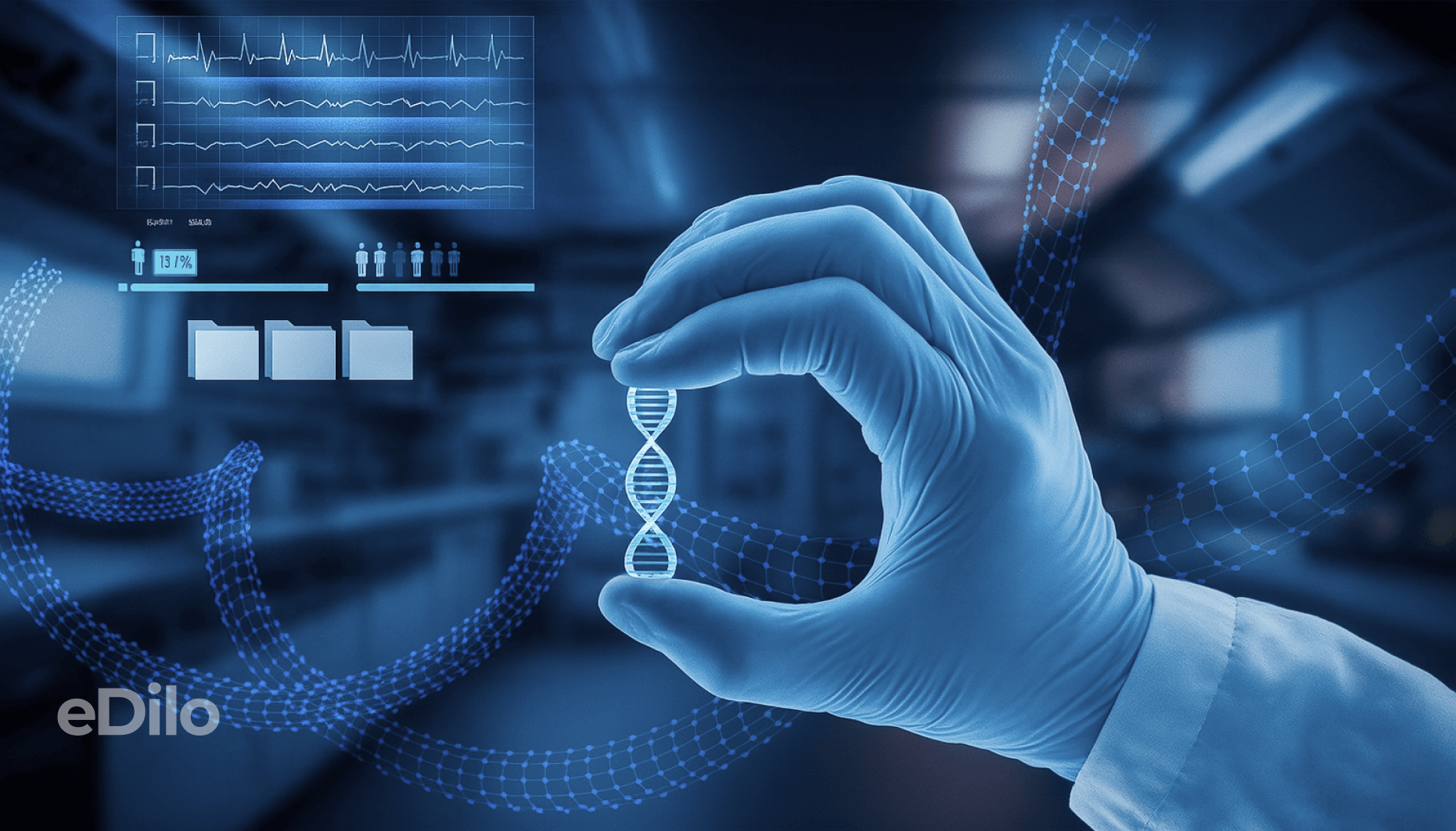
The latest technologies in medicine are ushering in a new era in the fields of diagnosis, treatment, and rehabilitation. In this article, we’ll explore which innovative solutions are already in use at medical facilities around the world, how they’re changing approaches to patient care, and what opportunities lie ahead in the near future.
This material will be useful to doctors, healthcare facility managers, and IT professionals working in the field of eHealth, as well as patients interested in modern treatment methods.
The Importance of Implementing the Latest Technologies in Medicine for Business
Investing in cutting-edge medical technologies is not just about innovation, but also about strategic resource management and the company’s future. Healthcare institutions that implement modern solutions gain a competitive advantage, increase staff efficiency, reduce patient care costs, and improve the quality of services. For healthcare executives, this is an opportunity to strengthen their brand’s reputation, attract more clients, and create new sources of revenue.
For example, eDilo — a modern online installment payment service for businesses — also supports the implementation of new approaches. Our tool makes it possible to optimize cash flow, increase the accessibility of services for patients, and ensure customer loyalty. Solutions of this caliber make healthcare not only high-quality but also financially flexible—for both patients and clinics.
Eight cutting-edge medical technologies that will transform the healthcare industry
The latest technologies in medicine have become not only a means of improving the quality of care, but also a key factor in business success in the healthcare sector. They make it possible to optimize costs, reduce errors, automate routine tasks, and increase patient satisfaction. Let’s take a look at the innovations that demonstrate the highest business efficiency and practicality for implementation.
Artificial Intelligence in Diagnostics
The medical field is actively harnessing the potential of AI to process large volumes of data. Machine learning algorithms are already analyzing MRI, CT, and X-ray images, detecting pathologies in their early stages with a level of accuracy that sometimes exceeds human capabilities. AI also helps predict the progression of diseases based on a patient’s medical history, genetics, and lifestyle.
Telemedicine
Telemedicine is one of the most promising new technologies in medicine. It allows doctors to provide consultations, monitor patients, and make diagnoses remotely. For hospitals, this means the ability to serve more people without having to expand their facilities.
Robotic Surgical Systems
Surgical robots ensure high precision, less trauma, and a shorter postoperative recovery period. This increases patient confidence, reduces the risk of complications, and, consequently, lowers the legal and reputational risks for the clinic. In addition, operating room efficiency increases, allowing clinics to treat more patients and optimize profits.
Personalized Medicine and Genetic Testing
Personalized therapy is based on a patient’s genetic profile, which makes it possible to select the most effective treatment without resorting to “trial and error.” DNA sequencing technologies have become more accessible, and their integration into everyday medical practice is now a reality.
Virtual and Augmented Reality (VR/AR)
These technologies are used in surgical simulations, staff training, as well as in diagnostics and rehabilitation. For example, VR rehabilitation is already being used for stroke patients and those with spinal injuries. AR can improve precision during complex procedures.
Bioelectronics
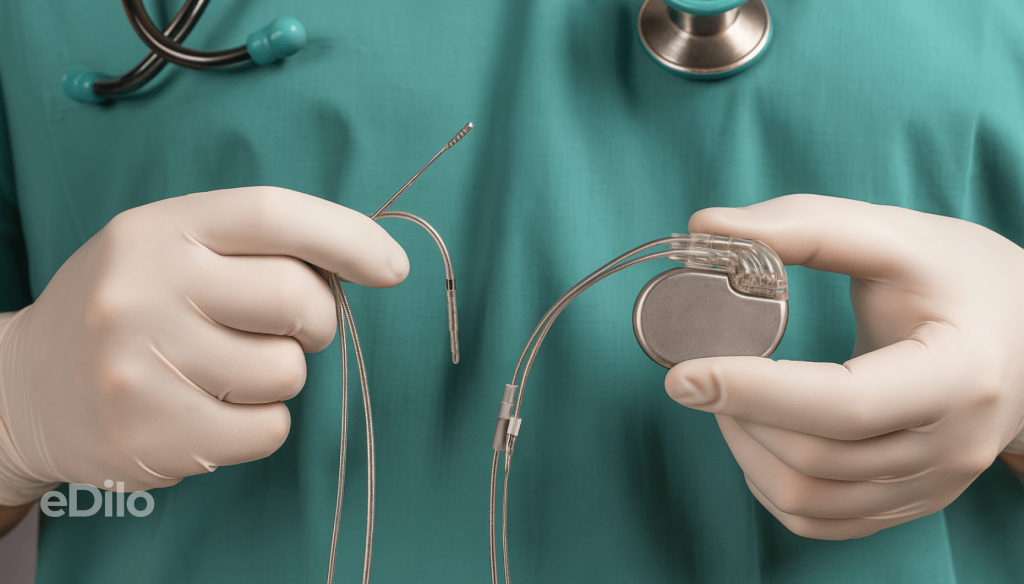
A field that uses implanted or external devices to modulate the functioning of organs and systems through electrical signals. It is used to treat chronic conditions that do not respond well to drug therapy.
The following are used:
- neurostimulators for the treatment of epilepsy, depression, and Parkinson’s disease;
- devices for treating chronic pain without medication;
- electronic implants that restore bladder or bowel function;
- Next-generation pacemakers with artificial intelligence algorithms.
Bionic Prosthetics
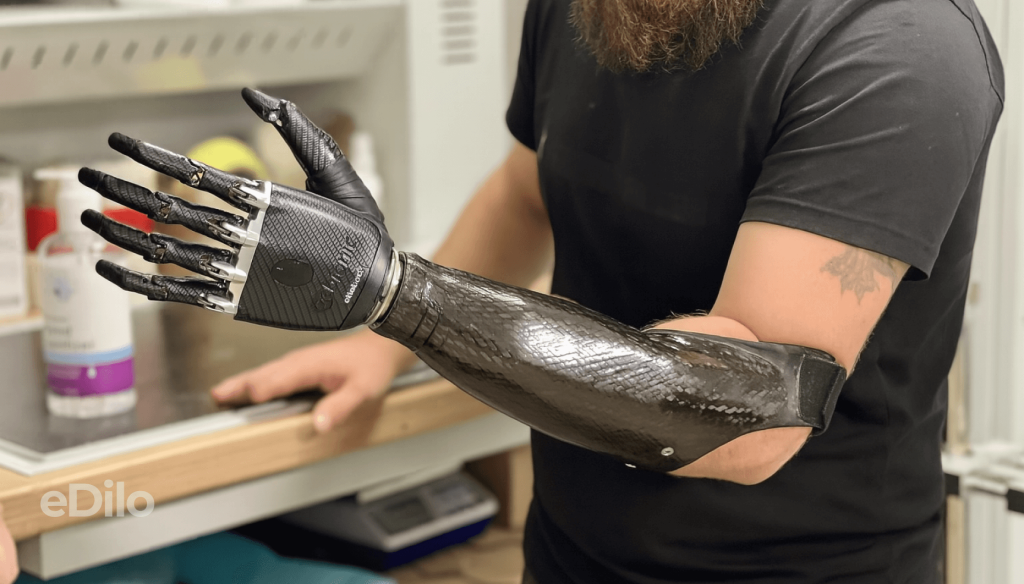
High-tech prosthetic limbs are controlled by impulses from the nervous system or by the user’s muscle signals. They can provide movement, feedback, and even tactile sensations.
Targeted therapy
This is a modern treatment method—particularly for cancer—in which drugs target specific molecular targets (receptors, proteins, genes) associated with the development of the disease, without affecting healthy cells:
- monoclonal antibodies;
- tyrosine kinase inhibitors;
- drugs that block angiogenesis (the formation of blood vessels that supply the tumor);
- personalized treatments based on the tumor’s genetic profile.
All of these technologies are not futuristic scenarios, but very real tools that are already generating profits for those who implement them in a timely manner. Clinics that invest in innovation become more flexible, resilient to market changes, and attractive to patients.
Conclusion
The latest technologies in medicine open up great opportunities for both improving the quality of care and effectively managing healthcare businesses. Implementing these technologies is a strategically sound decision for those seeking stable growth in the dynamic healthcare services market. The eDilo service supports these changes: we offer convenient online installment payments—a modern financial solution for healthcare facilities that want to be not only technologically advanced but also customer-focused. Increase the accessibility of your services and create conditions where technology works for you.
FAQ
What new cancer treatments have emerged as a result of technological advances?
Immunotherapy, targeted therapy based on the tumor’s molecular profile, nanotherapy, and personalized genetic therapy. In addition, artificial intelligence is being actively implemented to select optimal treatment regimens.
What are the prospects for the development of bioelectronics in medicine?
Bioelectronics makes it possible to develop microdevices for neuromodulation (for example, to treat epilepsy, Parkinson’s disease, and depression), as well as sensors for continuous monitoring of physiological parameters. Implantable systems for controlling and correcting organ function without medication show great promise.
What are the latest developments in the field of prosthetics and implants?
Among the innovations are neuro-controlled bionic prostheses, 3D-printed personalized implants made of biocompatible materials, and smart implants with built-in sensors to monitor healing and integration. Prosthetics with tactile feedback are also being developed.
What ethical issues arise when applying the latest technologies in medicine?
Key issues include the confidentiality of personal medical data, equitable access to technology, the use of AI for clinical decision-making without physician involvement, and the line between therapy and the enhancement of human capabilities (for example, in neural interfaces or genetic engineering).



More about business
and finance
Read more

Which Chinese Tractor Is the Best to Buy: Top 5 Models

Solar Panel Business: How to Set It Up and Calculate Liquidity

How to Choose a Business Idea in 2026: Top Ideas for Ukraine

Military Tax in Ukraine in 2025

A $5,000 Business in 2026: How to Start a Business with Minimal Risk

How to Prepare Your Business for Black Friday 2026: Purchasing Without Straining Working Capital

How to Prepare Your Business for the Fourth Quarter: A Financial Checklist for Executives

How to Avoid Stalling Business Growth Due to Large Supplier Invoices

How Businesses Can Prepare for the Peak Sales Season in Fall and Winter