The Use of Lasers in Medicine
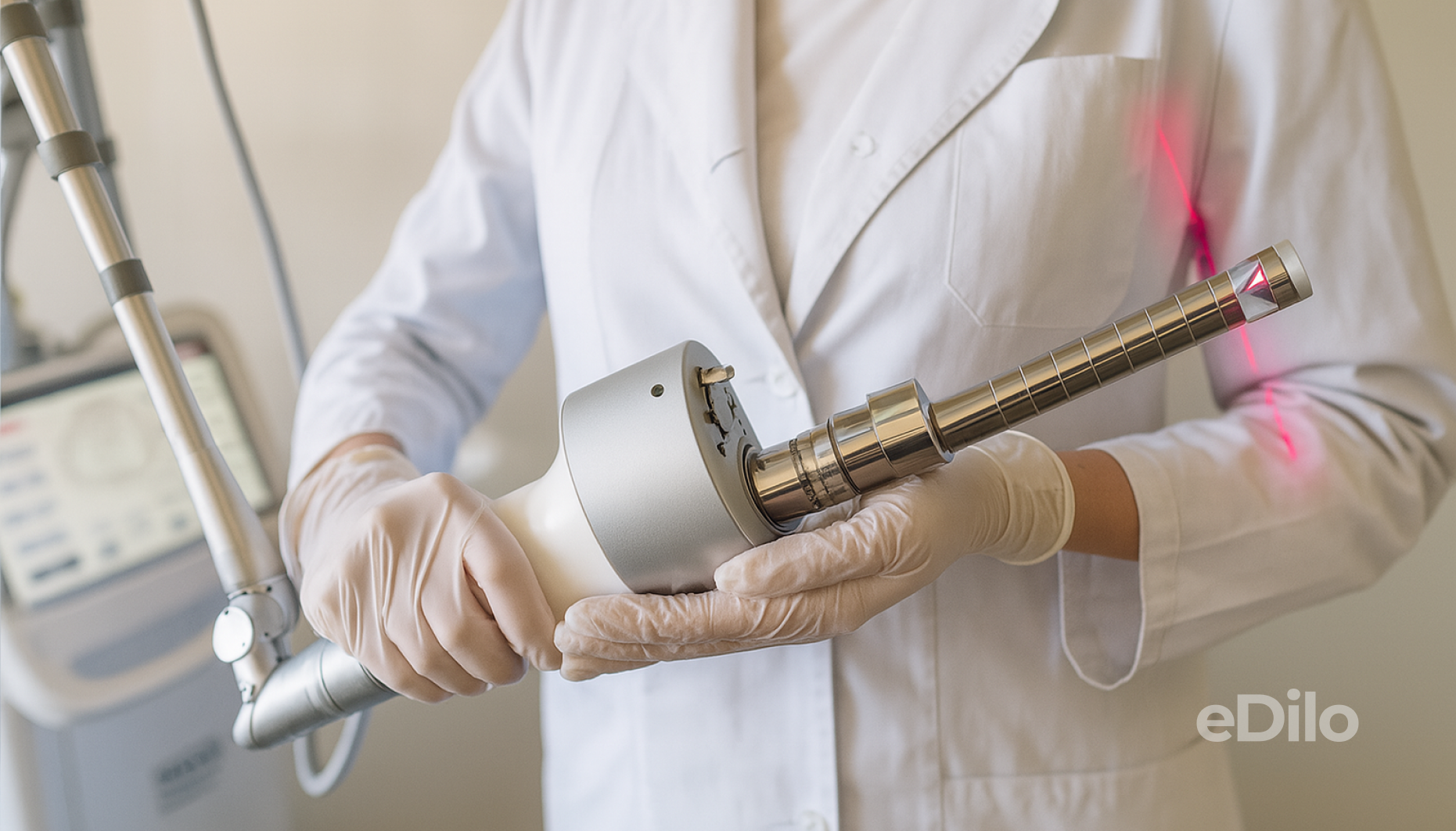
Lasers in medicine are ushering in a new era in treatment, diagnosis, and surgical procedures, offering high precision and minimal invasion. Thanks to technological advances, this method is widely used in dermatology, dentistry, oncology, ophthalmology, and other fields. Lasers help shorten procedure times, reduce blood loss, avoid incisions, and lower the risk of complications. This article will be useful for managers of medical centers and private clinics, investors, as well as doctors seeking to modernize their approach to providing care. Here you will find examples of the practical application of laser technologies and learn about the benefits for both patients and businesses.
Research on the Effectiveness of Lasers in Medicine
Lasers in medicine have proven highly effective in treating a variety of diseases, as confirmed by numerous clinical studies. Here are some of them:
- Pain relief and improved function in musculoskeletal disorders. Low-intensity laser therapy significantly reduces pain and improves function in patients with musculoskeletal disorders. A meta-analysis of 44 randomized clinical trials showed a reduction in pain of 1.3 cm on the visual analog scale and improved function with a standard mean difference of -1.0 (MDPI, 2023).
- Effectiveness for pain in the lower extremities. A systematic review of 18 studies found that laser therapy significantly reduces pain in the lower extremities. Specifically, pain decreased by 13.15 mm on the visual analog scale after completion of therapy and by 12.56 mm after 4–12 weeks (PubMed, 2022).
- Applications in dentistry. Laser therapy effectively reduces postoperative pain following dental implant placement. A single dose of 22.5 J reduced pain 24 hours after surgery in patients with partial edentulism (ScienceDirect, 2024).
Thus, the use of lasers in medicine is a promising field that has been developing successfully in recent years.
For which procedures are lasers used?
Today, lasers are used extensively in medicine. Modern technologies ensure precision, minimal invasiveness, and faster patient recovery. Below are the main types of procedures in which the use of lasers in medicine is particularly effective:
- Laser soft-tissue surgery. It is used to incise or remove tissue with minimal blood loss—for example, in otolaryngology (tonsillectomy), dentistry, and plastic surgery.
- Laser dermatology. Treatment of acne, removal of scars, pigmentation, spider veins, moles, and tattoos, and skin resurfacing—lasers provide precise cleansing and regeneration.
- Laser vision correction. Procedures such as LASIK, PRK, and SMILE use lasers to reshape the cornea and correct various refractive errors.
- Vascular surgery and varicose vein treatment. Endovenous laser coagulation is a modern, non-surgical method for treating varicose veins.
- Cancer treatment. Removal of tumors or precancerous lesions in the early stages, as well as photodynamic therapy for targeted treatment of cancer cells.
- Gynecological procedures. Lasers are often used in minimally invasive gynecological procedures for mucosal repair, treatment of cervical erosion, and urinary incontinence.
- Urological procedures. Laser lithotripsy (kidney stone fragmentation), treatment of prostate adenoma.
- Neurosurgical treatment. The use of laser systems for the precise removal of brain tumors or in the treatment of epilepsy.
Modern clinics are adopting laser technologies not only for the convenience of their patients, but also to optimize their business processes. And if you run a private medical practice or clinic, use eDilo online service — is a tool that allows you to set up installment payment plans for clients. More options mean more loyal patients. Integrate innovation into your services and financial interactions with clients.
Classification of Lasers
Lasers used in medicine can be divided into several main types based on wavelength, radiation energy, and their effect on tissue. Modern devices ensure precision, minimal trauma, and a shorter rehabilitation period. Below is an overview of the most common types of lasers and examples of their applications in various fields.
CO₂ laser (carbon dioxide)
CO₂ lasers used in medicine have a high absorption coefficient in water, which allows for the highly precise vaporization of soft tissues with minimal damage to surrounding structures.
The use of this type of laser in medicine includes:
- plastic and reconstructive surgery;
- dermatology (removal of papillomas, warts, and growths);
- gynecology (laser ablation of the cervix).
Among the popular models, the Lumenis AcuPulse stands out.
Erbium laser
This type is ideal for precise treatment of the skin and hard tissues, as it has a short wavelength and is readily absorbed by water and hydroxyapatite.
Used in:
- dentistry (removal of decayed tissue without drilling);
- dermatology (laser skin resurfacing);
- surgery (minimally invasive tissue incision).
A popular model is the Fotona LightWalker.
Diode laser
Diode lasers are effective when treating hemoglobin and melanin and have a high penetration depth, making them in demand in fields such as:
- treatment of vascular conditions (rosacea, telangiectasia);
- cosmetic medicine (hair removal);
- surgery (tissue coagulation).
The MeDioStar Monolith model is often used.
Neodymium laser
This type penetrates deeper into tissues and is minimally absorbed by surface structures, making it useful for treating vascular lesions and internal structures in the following areas:
- dermatology (treatment of varicose veins and hemangiomas);
- ophthalmology (laser iridotomy, capsulotomy);
- Urology (ureteral stone fragmentation).
A popular model is the Cutera Xeo.
Excimer laser
A high-precision ultraviolet laser that removes tissue through photochemical destruction without a thermal effect. It is used in:
- ophthalmology (LASIK, PRK);
- dermatology (treatment of psoriasis and vitiligo);
- microsurgery.
Schwind Amaris is often used.
Conclusion
Lasers in medicine enable precise, minimally invasive procedures, shorten recovery times, and open up new treatment possibilities that seemed like science fiction just a few decades ago. Understanding the different types of lasers and their applications helps not only specialists but also healthcare facility administrators make strategic decisions regarding investments in technology.
If you’re a clinic owner or manager looking to introduce new laser services, don’t forget about your patients’ convenience. We offer a simple solution for implementing installment payments— the eDilo online service. It integrates directly into your clinic’s website, allows you to split payments into manageable installments, and boosts patient loyalty. Grow your business while leaving the competition behind—innovation and a flexible financial model work hand in hand.
FAQ
What are the advantages of laser treatment compared to traditional methods?
Laser treatment offers high precision, reduces tissue trauma, minimizes blood loss, lowers the risk of infection, and significantly shortens the recovery period.
What are the equipment requirements for the safe use of lasers in medicine?
The equipment must have certificates of conformity, allow for adjustment of power and wavelength, be equipped with cooling systems, and provide protection for patients and medical staff.
Which laser characteristics are most important for medical applications?
Key characteristics include wavelength, radiation power, pulse type, focusing accuracy, and the ability to treat different tissues without excessive heating.
How do you prepare a patient for laser surgery?
Preparation involves a preliminary medical examination, ruling out any contraindications, a consultation regarding expectations and risks, and following the doctor’s recommendations regarding diet and whether to take or avoid certain medications before the procedure.



More about business
and finance
Read more

Which Chinese Tractor Is the Best to Buy: Top 5 Models

Solar Panel Business: How to Set It Up and Calculate Liquidity

How to Choose a Business Idea in 2026: Top Ideas for Ukraine

Military Tax in Ukraine in 2025

A $5,000 Business in 2026: How to Start a Business with Minimal Risk

How to Prepare Your Business for Black Friday 2026: Purchasing Without Straining Working Capital

How to Prepare Your Business for the Fourth Quarter: A Financial Checklist for Executives

How to Avoid Stalling Business Growth Due to Large Supplier Invoices

How Businesses Can Prepare for the Peak Sales Season in Fall and Winter