Brand Collaborations: Does Your Business Need Them?

Collaboration is a tool used by both international giants and local businesses to expand their audience and strengthen their market position. Successful collaboration helps companies break new ground by combining resources, expertise, and creative potential. We’ll explore different types of collaborations, analyze examples of partnerships between global brands, and provide a step-by-step guide to organizing effective collaborations. This article will be particularly useful for small and medium-sized business owners, marketers, and brand managers seeking new opportunities for growth in a competitive market.
What Is a Brand Collaboration?
Brand collaboration is a form of strategic partnership in which two or more companies join forces to achieve a common goal. Such a partnership allows the participants to combine their best qualities, create an innovative product, reach a wider audience, and strengthen their market positions.
Unlike traditional partnerships, collaboration involves a deep integration of brands’ values, identities, and resources. The result is the creation of a unique offering that would be unattainable for the brands acting alone. This concept is widely used in various fields—from fashion and cosmetics to technology and the food industry.
A key aspect of successful collaboration between companies and influencers is mutual benefit for all parties. Brands don’t just pool their marketing budgets; they create synergy that multiplies results. This approach makes it possible to quickly implement innovations, test new markets, and experiment with products without significant risks.
Types of Collaborations
It’s not enough to simply understand what collaboration is. It’s also important to distinguish between different types of collaboration:
- Co-branding is the most common type of collaboration, in which two companies create a joint product or service. An example is a partnership between technology companies to create innovative devices. This approach is particularly effective for market expansion, as both brands contribute their own expertise and customer base.
- A brand-celebrity collaboration involves a company partnering with a well-known figure—a celebrity, blogger, or athlete. Such partnerships help strengthen the emotional connection with the audience and increase product recognition through association with a popular influencer.
- Influencer collaboration is a format in which two or more public figures team up to create content, a product, or a service. This type of collaboration has gained popularity with the rise of social media and makes it possible to reach different audiences through a single campaign.
Here are a few niche types of collaborations that are also common around the world:
- technological — collaboration to develop innovative solutions;
- social — partnerships to address social issues;
- Cross-cultural — collaborations between brands from different countries aimed at creating a product that blends cultural traditions.
See also: Innovations in Logistics: 7 Current Trends
Each type of partnership offers unique opportunities, so the choice depends on the specific business goals and target audience.
Does Your Brand Need a Collaboration?
Collaboration is a powerful growth tool for businesses of any size. This strategy is particularly relevant for companies seeking to enter new markets, attract a new audience, or refresh their brand image.
For small businesses, this approach helps them scale quickly without significant investment. Partnering with a better-known brand allows small companies to increase brand awareness and build trust in their products. For medium-sized enterprises, partnerships open up opportunities for innovation as well as differentiation in a competitive environment.
See also: Dropshipping: How to Streamline Your Processes
Even large corporations actively use this approach to refresh their image and attract a younger audience. Strategic partnerships help global companies overcome outdated associations and open up new avenues for growth in the digital world.
A well-planned campaign offers numerous benefits:
- expanding the audience through access to the partner’s customer base;
- increasing brand awareness and strengthening market position;
- creating an additional news hook for PR activities;
- a reduction in marketing expenses thanks to a shared budget;
- the opportunity to test new markets with lower risks.
Case studies show that successful collaborations can boost a brand’s sales by up to 40% during a campaign or effectively halt a decline in demand, transforming negative trends into positive growth. Such partnerships generate significantly greater resonance among consumers compared to standard marketing approaches. These results demonstrate the significant potential of this tool for business development.
See also: How to Purchase an EcoFlow on Installments Through eDilo: The “Uteka” Experience
Examples of brand collaborations
Successful collaborations involve a variety of approaches and opportunities for creating mutually beneficial partnerships. Let’s look at the most notable examples and analyze what made them effective.
Collaborations in the Fashion World
The fashion industry has pioneered brand collaborations, demonstrating their extraordinary effectiveness. One of the most striking examples is the 2015 collaboration between the luxury brand Balmain and the mass-market retailer H&M.

This campaign became the most successful in the Swedish retailer’s history. The collection sold out in a matter of hours, sparking unprecedented excitement among shoppers. People waited in line for up to 12 hours before the stores opened, and H&M’s website crashed due to the massive influx of visitors.
A major factor in its success was a powerful marketing campaign. H&M began releasing teasers for the collaboration in May 2015, featuring well-known models—Gigi Hadid, Jordan Dunn, and Kendall Jenner—who collectively had over 50 million Instagram followers. This ensured the collection received unprecedented visibility among its target audience.
The collaboration allowed consumers to experience Balmain’s luxury at a more affordable price, while enabling the luxury brand to expand its audience and increase brand awareness.
Musical Collaborations with Fast Food Chains
Collaborations between musicians and fast-food chains have become one of the most profitable trends in recent years. McDonald’s launched the “Famous Orders” series—special menus created in partnership with popular artists.
Rapper Travis Scott earned about $20,000,000 from his partnership with McDonald’s in 2020. The “Travis Scott Meal”—a special combo featuring a burger, fries, and a drink—quickly became a bestseller. The artist also designed exclusive merchandise, including a nugget-shaped pillow that went viral on social media. The result: a 4.6% increase in McDonald’s sales in the third quarter of 2020, following an 8.7% decline in the previous quarter.

The collaboration with the Korean group BTS yielded even more impressive results. McDonald’s sales rose by 40.5% in the second quarter of 2021 thanks to the “BTS Meal.” Special sauces and packaging in the group’s signature purple color created a buzz among fans in 50 countries around the world. McDonald’s representatives noted that this campaign significantly increased restaurant visits and boosted sales of Chicken McNuggets.
Digital Collaborations
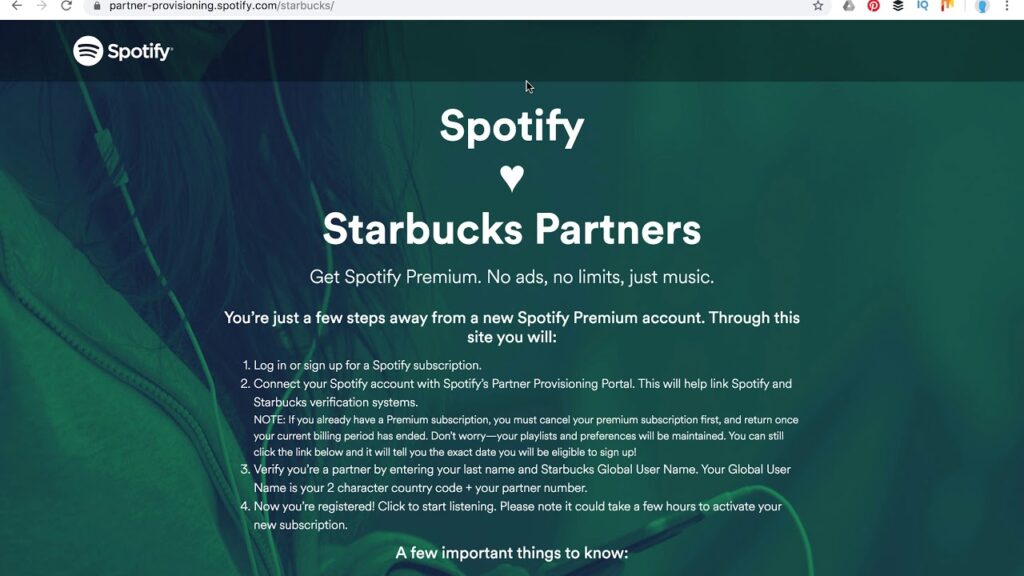
The partnership between Spotify and Starbucks is a fascinating example of what collaboration looks like in the digital world. In 2015, the companies teamed up to create a unique musical experience in their coffee shops. Starbucks employees received premium Spotify subscriptions so they could create playlists for their locations. Customers could influence the music played in the coffee shops and earn rewards through the My Starbucks Rewards loyalty program.
This partnership helped Starbucks preserve its musical legacy after it stopped selling CDs (Since 1999, Starbucks had owned the music retailer Hear Music, sold millions of CDs each year, and even launched its own record label featuring stars such as Paul McCartney). For Spotify, the collaboration opened up access to 10 million members of the Starbucks loyalty program and helped promote its premium subscription service. Both companies strengthened their market positions and created additional value for customers.
Local Collaborations
It’s not just global giants that are creating success stories. Ukrainian businesses are also actively implementing this strategy. For example, the Kyiv-based startup Bayka Bikes, which manufactures electric bicycles for delivery, collaborates with companies such as Nova Poshta and Silpo. Such partnerships allow young Ukrainian brands to scale up and strengthen their market positions.
To finance its growth, the company began working with our service eDilo, which allows customers to purchase electric bikes on an installment plan while the manufacturer receives the full amount immediately.
How to Start a Collaboration with Another Brand
Establishing a successful collaboration requires a systematic approach and careful planning. The process involves several sequential steps that will help ensure the partnership delivers maximum benefit to all participants:
- Defining the goals of the collaboration. It is essential to articulate exactly what the business aims to achieve: increasing sales, expanding its audience, improving its image, or entering a new market. Specific, measurable goals will serve as a guide for the entire project.
- Finding the right partner. The ideal match complements a business’s strengths and compensates for its weaknesses. It is recommended to create a list of potential partners by analyzing their reputation, target audience, and previous collaboration experience.
- Developing the project concept. The best ideas emerge during joint brainstorming sessions, when both sides contribute their unique experiences and perspectives. It’s important to understand what kind of collaboration will appeal to the audiences of both brands.
- Agreeing on the terms of cooperation. At this stage, it is necessary to formalize the partnership. Agree on financial matters, the division of responsibilities, deadlines, and intellectual property rights. It is recommended to formalize the agreements in a written contract that will protect the interests of all parties.
- Planning a Marketing Campaign. The success of a collaboration depends largely on how it is promoted. It is necessary to develop a comprehensive marketing strategy that encompasses various communication channels.
- Project implementation and monitoring of results. When launching a collaboration, it is important to continuously track key performance indicators (KPIs). This will allow you to make prompt adjustments and maximize results.
- Analysis of Results and Planning for Future Collaboration. Once the project is complete, it is necessary to analyze the KPIs: were the set goals achieved, what lessons were learned, and should the campaign continue? A successful brand collaboration often evolves into a long-term strategic partnership.
Open communication between brands at all stages of the project is key to effective collaboration. Regular meetings, a clear division of responsibilities, and mutual respect for each other’s expertise lay the foundation for successful collaboration.
Conclusion
Brand collaborations are a powerful tool for business growth in today’s environment. Strategic partnerships allow companies to pool resources, share audiences, and create unique products that would be impossible to develop on their own. In times of economic instability, collaborations help optimize marketing expenses and minimize risks when entering new markets.
We are at eDilo We understand the needs of businesses and offer an innovative solution that is also based on the principle of a mutually beneficial partnership. Our online installment payment service for businesses allows sellers to increase sales by up to 30% by offering customers a convenient way to spread out their payments. The merchant receives the full cost of the goods or services immediately upon completion of the transaction, while the customer pays in installments over an agreed-upon period. This solution is particularly relevant in environments where access to bank credit is limited.
: Frequently Asked Questions
When is a collaboration not a good idea and best avoided?
It’s best not to enter into a collaboration if the brands’ values conflict or their audiences are radically different. Partnerships with companies that have a negative reputation or are going through a crisis can be risky. You should also avoid starting a collaboration without a clear understanding of the goals and expected results—this can lead to disappointment for both parties and an inefficient use of resources.
How to Find the Perfect Collaboration Partner (What Criteria Should You Use to Evaluate Them)?
When searching for a partner, you should evaluate the compatibility of values and brand positioning, the complementarity of audiences (the overlap should not be too large or too small), previous collaboration experience, and the company’s financial stability. It’s also important to pay attention to a potential partner’s corporate culture—similar approaches to work will facilitate communication and project implementation.
How can partners properly divide responsibilities and the budget?
The division of responsibilities and the budget depends on the specific project and the capabilities of each partner. The most effective approach is a clear division of responsibilities based on each brand’s strengths. Financial contributions can be equal or proportional to the size of the companies. All agreements must be formalized in a written contract that details the rights, obligations, and expected outcomes for each party.
How do you measure the ROI (return on investment) of a collaboration?
Measuring the ROI of a collaboration involves tracking key metrics: sales growth, expansion of the customer base, and increased brand awareness. It is recommended to set up collaboration-specific promo codes or landing pages to track conversions. It’s also a good idea to conduct customer surveys before and after the partnership to assess changes in brand perception. A comprehensive analysis of these indicators will help determine the actual return on investment in the joint project.
Should you partner with a brand that’s bigger than yours? What are the benefits and risks?
Collaborating with a larger brand offers significant advantages: access to a wider audience, increased prestige, and the opportunity to learn from their experience. The main risks are an uneven distribution of audience attention (the smaller brand may “get lost”) and an imbalance in decision-making. For a successful partnership with a large company, it is essential to clearly define your unique value proposition and insist on equal communication. It is also important to ensure that the larger partner does not overshadow the smaller brand’s identity.



More about business
and finance
Read more

Which Chinese Tractor Is the Best to Buy: Top 5 Models

Solar Panel Business: How to Set It Up and Calculate Liquidity

How to Choose a Business Idea in 2026: Top Ideas for Ukraine

Military Tax in Ukraine in 2025

A $5,000 Business in 2026: How to Start a Business with Minimal Risk

How to Prepare Your Business for Black Friday 2026: Purchasing Without Straining Working Capital

How to Prepare Your Business for the Fourth Quarter: A Financial Checklist for Executives

How to Avoid Stalling Business Growth Due to Large Supplier Invoices

How Businesses Can Prepare for the Peak Sales Season in Fall and Winter