Dental Restoration: Types, Materials, and Modern Methods
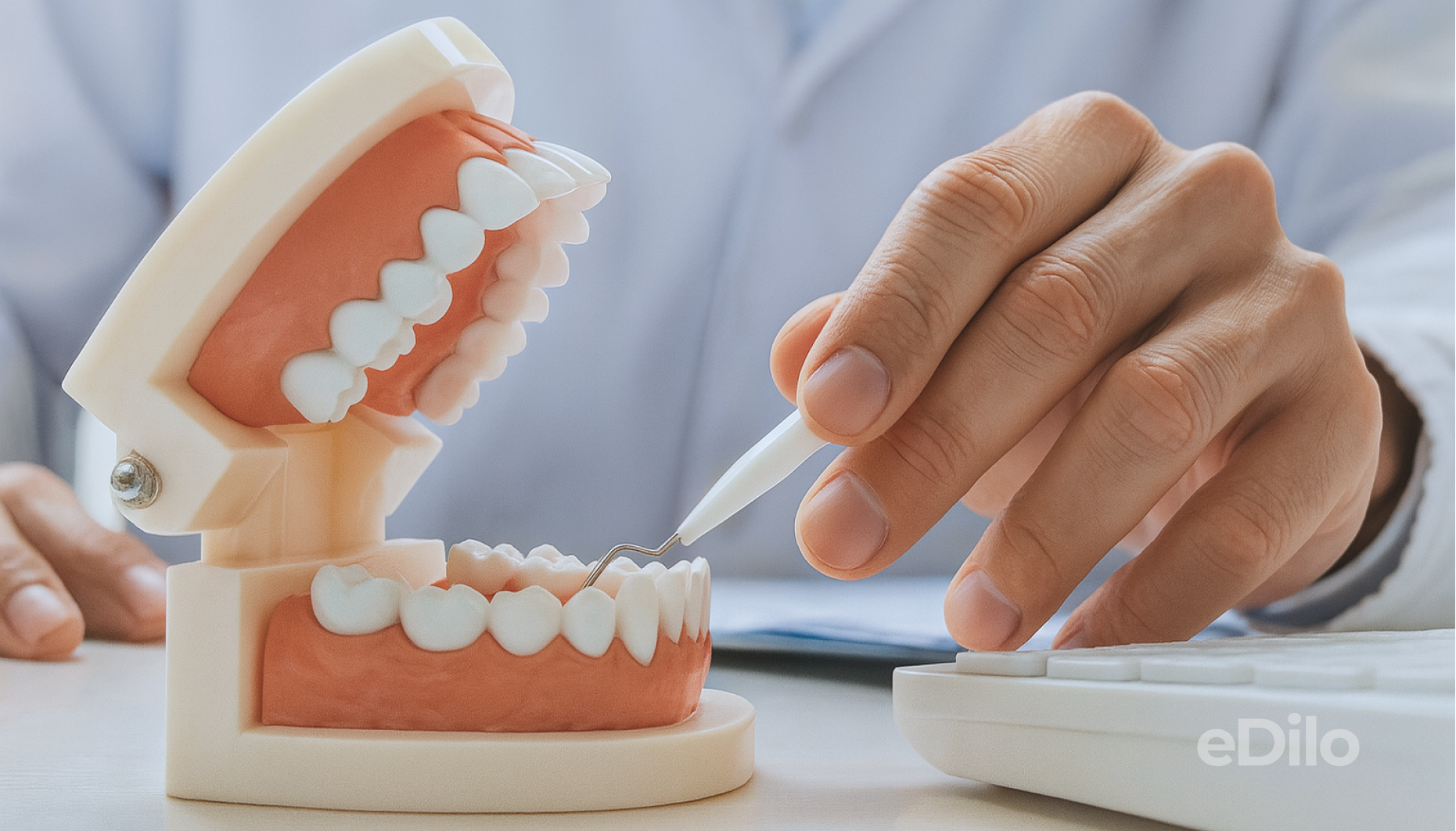
Dental restoration is the process of restoring the shape, function, and appearance of damaged or decayed teeth using modern dental techniques. This procedure not only helps improve the appearance of your smile but also ensures proper chewing function and protects your teeth from further damage. In this article, we’ll look at the main types of restorations, the materials used for them, and the latest technologies that help achieve the most natural-looking results.
This material will be particularly useful to dentists who select the optimal methods for tooth restoration depending on the clinical situation. The text presents modern approaches to tooth reconstruction that will be useful both in everyday practice and in cases requiring exceptional aesthetics—such as before photo shoots or public events.
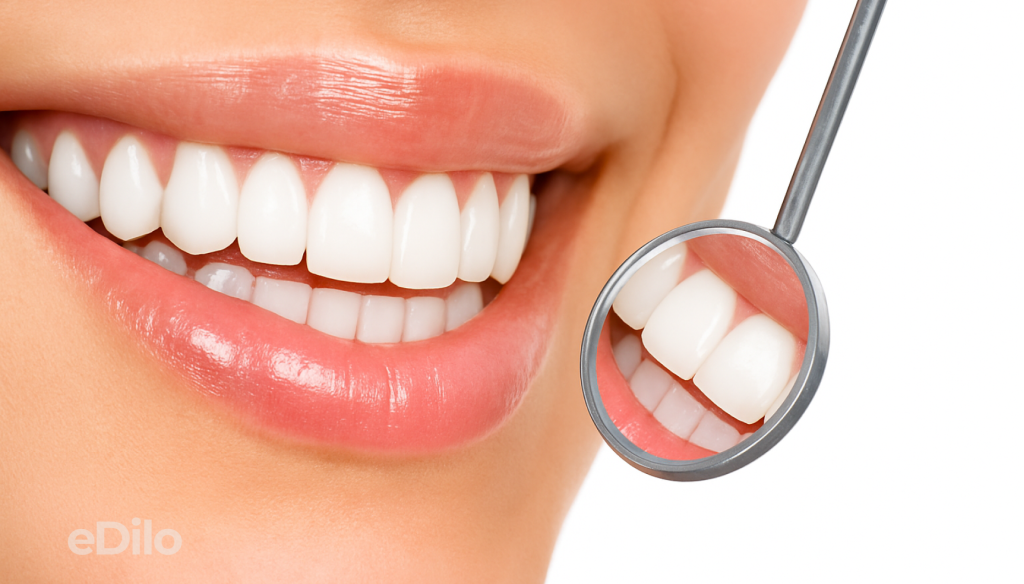
When to Recommend Dental Restoration to a Patient
Dental restoration is not only a way to improve aesthetics, but also a necessary procedure when hard tissues are damaged. In many cases, it is this procedure that allows us to save the tooth, avoid complications, and restore comfort while chewing:
- Caries or secondary caries. Restoring the tooth’s shape and function after removing the affected tissue is the primary indication for restoration.
- Mechanical damage—a crack, chip, or fracture. If a tooth has been damaged, a restoration allows the defect to be quickly repaired and the tooth’s integrity to be restored.
- Darkening or discoloration of the enamel. In cases of root canal treatment or fluorosis, a restoration helps restore the tooth’s appearance.
- Congenital or acquired malformation of the teeth. For example, in cases of teeth that are too short, cone-shaped, or slanted, when a correction of their appearance is needed.
- Restoration of worn-down or damaged teeth. This is often seen in cases of bruxism or age-related changes—restoration restores the anatomical height.
- Before orthodontic or prosthodontic treatment. To achieve a harmonious result, it is important to restore certain areas of the dentition.
Therefore, if a patient comes in with complaints about aesthetic or functional issues, it is important to explain what a dental restoration is and to recommend the best treatment option based on the clinical situation.
How to Prepare a Patient for Dental Restoration
Preparation for a restorative procedure is a crucial step that determines both the quality of the work performed and the long-term results. Before beginning dental restoration, the dentist must conduct a thorough diagnosis.
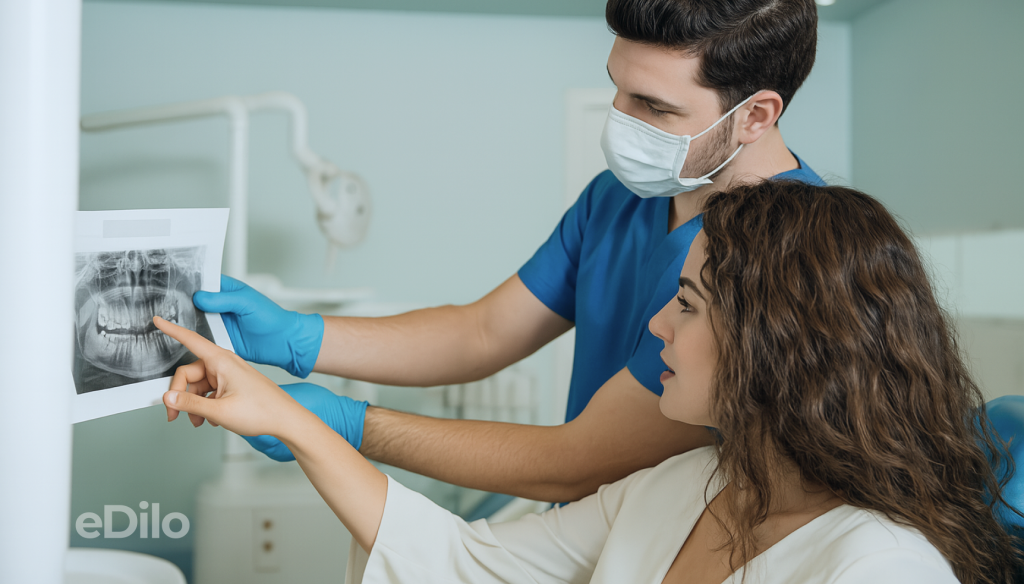
First, a clinical examination and assessment of the oral cavity are performed. If gum inflammation, tooth decay, or other conditions are detected, they must be treated before restoration work begins. In addition, it is important to take X-rays or perform 3D diagnostics to determine the extent of the damage and plan a precise restoration strategy.
Before the procedure begins, the patient may be advised to undergo professional oral hygiene—this helps improve the adhesion of the materials and reduce the risk of infection. It is also important to assess the patient’s bite beforehand and, if necessary, consult with an orthodontist or prosthodontist.
If the restoration is being performed on the front teeth, it is advisable to discuss with the patient the color of the future restoration, aesthetic preferences, and its shape and size. Sometimes it is recommended to use trays with remineralizing gel to prepare the enamel.
Modern Methods of Dental Restoration
Modern dentistry offers many effective and aesthetic methods for restoring the integrity and beauty of a smile. Today, dental restoration is not just about function, but also about achieving a perfect appearance.
Direct Composite Restoration
This procedure restores the shape and color of a tooth in a single visit using composite materials. Direct tooth restoration is particularly popular due to its affordability and speed.
| For which teeth | Materials | Advantages | Disadvantages |
| Front and molars (minor defects). | Latest-generation photopolymer composites. | Fast, affordable, aesthetically pleasing, and no machining required. | Over time, the material may darken and show signs of wear; it requires periodic replacement. |
Indirect Ceramic Dental Restorations (Inlays, Onlays, Veneers)
These are restorations that are fabricated in a laboratory based on a custom impression or digital scan. They are then cemented into the patient’s mouth using a specialized cement. Ceramic dental restorations are the ideal solution for those who want to restore the aesthetics of their smile.
| For which teeth | Materials | Advantages | Disadvantages |
| Any of them, especially the rear ones with extensive damage. | Pressed ceramics, lithium disilicate, zirconium. | High strength, durability, excellent appearance, and they do not darken. | It’s more expensive, requires at least two visits, and involves dental treatment. |
Composite veneers (injection technique)
This is a type of restoration in which composite material is evenly applied to the teeth using silicone molds to create a new shape and color. This is a good example of what cosmetic dental restoration is.
| For which teeth | Materials | Advantages | Disadvantages |
| Front teeth, smile zone. | Light-curing flowable composites. | Fast, predictable results, less invasive. | It is slightly less durable and requires careful polishing and maintenance. |
CAD/CAM Digital Restoration
The technology of the future, which is already being actively implemented. The tooth is scanned using a digital scanner, the model is processed in the software, and then the restoration is milled from a ceramic block. A new standard in dental restoration.
| For which teeth | Materials | Advantages | Disadvantages |
| Any cases, including those following endodontic treatment. | Glass-ceramic, zirconium. | Precision, speed (possibly in a single visit), aesthetics. | It’s expensive, and not all clinics have the necessary equipment. |
Restorations Following Orthodontic Treatment
It is often necessary to restore teeth after braces—to make minor corrections to their shape or to fill in chips or white spots. Combined approaches are used (microabrasion, composites, mini-veneers).
| For which teeth | Materials | Advantages | Disadvantages |
| Primarily the front group. | Delicate composites, polymers. | Preserves the natural look and allows for a quick recovery after long-term treatment. | Requires regular monitoring; can be repolished. |
Given the nature of dental restoration, the method must be chosen on an individual basis for each patient. This allows dentists to achieve truly perfect results. Regardless of the method chosen, tooth restoration is not just about restoring the tooth’s shape, but also about restoring comfort, confidence, and beauty.
Tooth restoration is a fairly expensive procedure. When using modern restoration techniques, especially those such as ceramic tooth restoration or CAD/CAM processing, the cost of treatment can be significant. In such cases, clinics can offer payment plans through eDilo—a business tool that allows patients to avoid postponing treatment due to financial constraints. This makes modern dental restoration more accessible to a wider range of patients.
The Impact of Innovative Research on Restoration Methods
Modern innovations are actively transforming the field of dental restoration and opening up new prospects for Ukrainian dentistry. Western developments are already making their way to us—from CAD/CAM technologies to bioactive materials and digital diagnostics:
- Digital dentistry (CAD/CAM, 3D scanners, 3D printing). Clinics equipped with CAD/CAM technology and 3D labs (such as FrankoLab) are already appearing in Ukraine. Intraoral scanners allow for the quick acquisition of an accurate digital impression of the teeth, while 3D printing makes it possible to fabricate abutments, temporary crowns, and even surgical guides in a single visit.
- AI diagnostics and digital treatment planning. Algorithms are already analyzing X-rays and CBCT scans to detect carious areas or tumors, simplifying treatment planning. VR/AR help patients visualize their future restoration as early as the planning stage.
- Robotic Systems and Haptic Control. In 2025, scientists will complete testing of haptic robotics for dental procedures. This technology enables complex procedures to be performed with high precision, even remotely.
- Bioactive and “smart” materials. Self-healing composites that repair cracks on their own are being developed. Most ceramic blocks already allow for color matching to the tooth, and enamel can be restored using a peptide gel that mimics natural formation (this technology is currently in the clinical trial phase).
- Regenerative Dentistry and the Microbiome. Drugs are being developed to stimulate the growth of teeth and tissues (USAG-1 blockers). The transplantation of healthy oral microbiota is being prepared for clinical trials to prevent tooth decay and inflammation.
Dentists can expect that dental restorations in Ukraine will soon become even more precise, personalized, and less stressful for patients. The introduction of digital workflows, smart materials, and generative technologies is paving the way for a new era in dentistry.
Conclusion
Modern dental restoration is not just about restoring shape or color, but a complete transformation of the smile that takes into account functionality, aesthetics, and long-lasting results. Thanks to innovative approaches being implemented in Ukraine, dentists now have a wider range of technologies and materials available for personalized treatment, even in complex clinical cases.
It’s now even easier to take advantage of modern restoration methods— with eDilo. This is an installment payment service for businesses that allows clinics to provide patients with high-quality treatment without financial barriers. The patient receives medical care immediately, and you pay for the materials conveniently—in installments, without overpaying.
FAQ
What role does digital restoration planning (e.g., DSD, CAD/CAM) play in dental practice? How does it affect communication with patients and the dental laboratory?
Digital planning allows you to visualize the final result before treatment begins. The patient sees a model of their smile, the dentist sees a prediction of the outcome, and the dental technician receives clear technical instructions. This reduces the risk of errors and improves communication among all parties.
What are some potential challenges and solutions for severely damaged teeth?
Challenges: lack of tissue to anchor the restoration; increased risk of fractures. Solutions: composite and ceramic inlays, posts, stump build-up, crown restorations, and, in some cases, implantation followed by restoration.
What challenges might you face when working with patients who have high aesthetic expectations for their restorations? How can you manage these expectations?
Challenges: Discrepancies in perceptions of color, shape, and symmetry. Solutions: Photographic documentation, visualization (DSD), mockups, clear explanations of potential limitations, and step-by-step coordination at each stage.
What is the importance and impact of photography in restorative dentistry—both for diagnosis and for tracking results and communication?
Photographs allow for an accurate assessment of the situation prior to treatment, enable monitoring of the intermediate stages and the final result, and help the technician select the correct shape and color. They are also an important tool for training and communicating with the patient.



More about business
and finance
Read more

Which Chinese Tractor Is the Best to Buy: Top 5 Models

Solar Panel Business: How to Set It Up and Calculate Liquidity

How to Choose a Business Idea in 2026: Top Ideas for Ukraine

Military Tax in Ukraine in 2025

A $5,000 Business in 2026: How to Start a Business with Minimal Risk

How to Prepare Your Business for Black Friday 2026: Purchasing Without Straining Working Capital

How to Prepare Your Business for the Fourth Quarter: A Financial Checklist for Executives

How to Avoid Stalling Business Growth Due to Large Supplier Invoices

How Businesses Can Prepare for the Peak Sales Season in Fall and Winter