Choosing a Patient Monitor for Your Clinic: Types and Monitoring Parameters
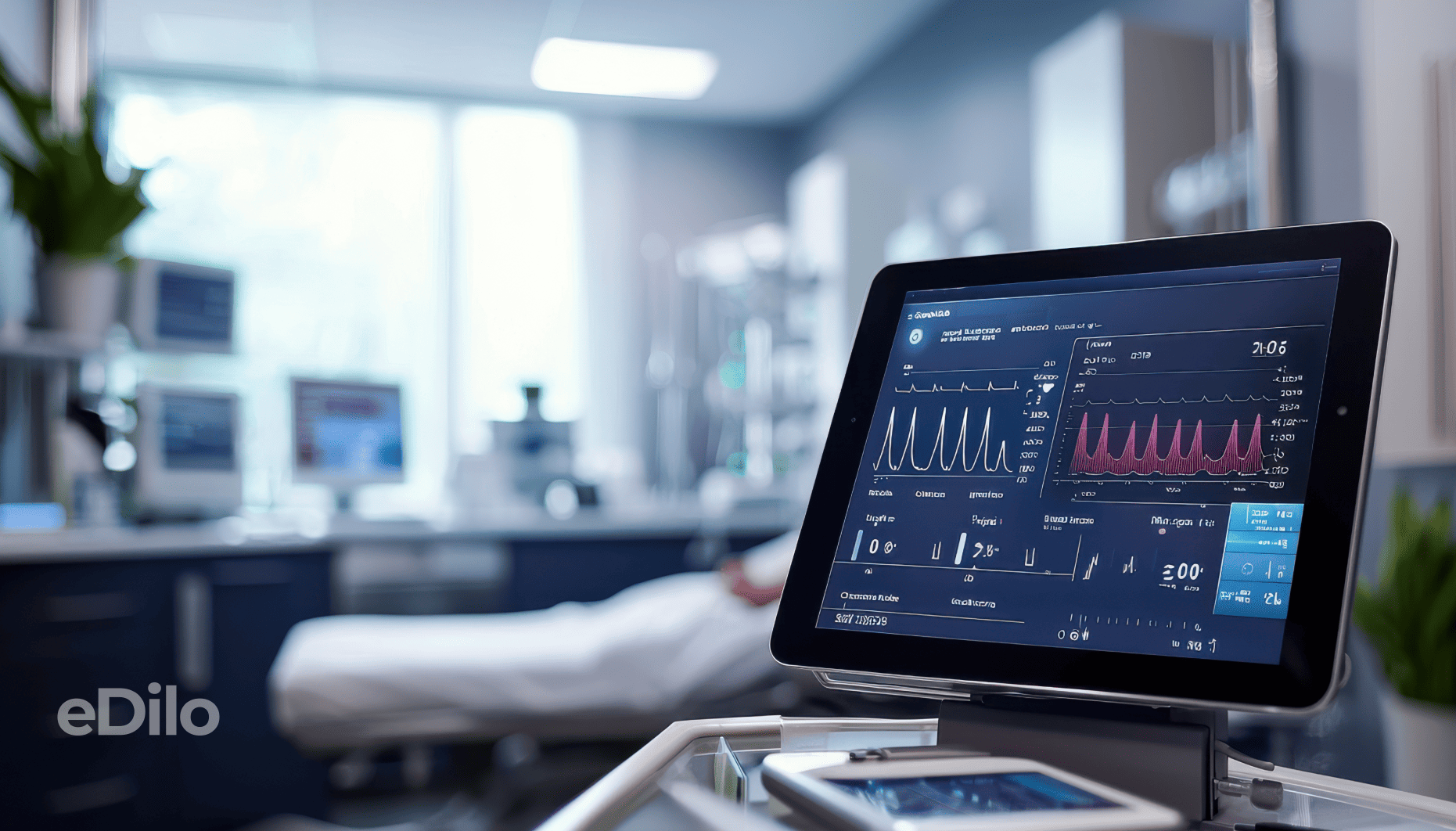
To provide high-quality medical care at a healthcare facility, a patient monitor designed to track vital signs is required. This equipment is selected for intensive care, cardiology, and maternity wards, as well as operating rooms. The devices help accurately and in real time monitor blood pressure, heart rate, oxygen saturation, and other parameters. The use of monitors allows for a timely response to any changes in a patient’s condition and enables medical care to be provided as needed. The equipment is selected based on the specific needs of the healthcare facility’s department.
What Is a Patient Monitor?

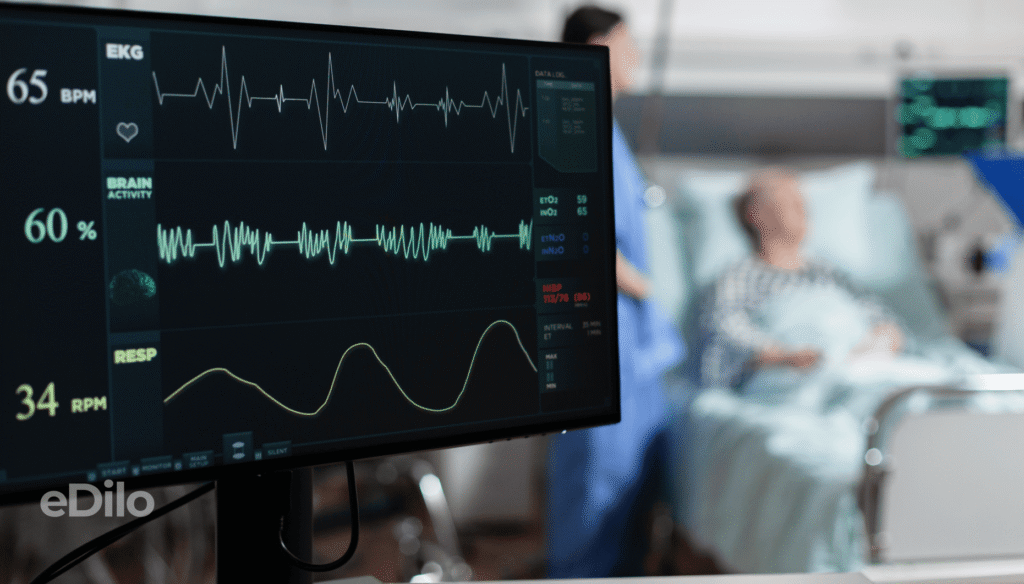
Medical equipment is selected based on its intended use and purpose. A patient monitor is a medical device used to track physiological parameters simultaneously across multiple channels. It allows for the monitoring of:
- heart rate, including for performing an electrocardiogram;
- blood oxygen level;
- blood pressure;
- respiratory rate;
- body temperature.
If any of the readings fall outside the normal range, the equipment’s alarm system is triggered. This allows medical staff to respond promptly.
See also: The Latest Technologies in Medicine
Types of Patient Monitors
Healthcare facilities use various types of equipment. Types of patient monitors:
- Respiratory. These devices allow for monitoring the functioning of the respiratory system. This is necessary when performing ventilation procedures. Respiratory monitors are used in the treatment of conditions that cause oxygen deprivation. The equipment measures tidal volumes, airflow pressure, and other parameters.
- Anesthesiology. Patient monitors equipped with a capnometer. They measure the concentration of anesthetic in the air entering the lungs.
- Fetal monitors. Monitors for use in maternity wards to assess the condition of the fetus. The equipment helps monitor breathing and movements.
- For MRI. Special patient monitors designed to operate in environments with strong magnetic fields. The use of this equipment is recommended during prolonged, detailed diagnostic procedures involving anesthesia.
Modular monitors are a separate category, which includes bedside models. They can be easily adapted to the working environment by connecting devices that measure various physiological parameters.
Key Tracking Metrics
A patient monitor is selected based on a number of factors. These include the following:
- Purpose. When making a selection, consider the tasks for which the monitor will be used.
- Power Source. Standalone models are capable of operating on rechargeable batteries. Therefore, the equipment is used to provide emergency medical care even outside the intensive care unit or patient room. Stationary models are powered by the electrical grid.
- List of specifications. Characteristics that define the equipment’s intended use. The more specifications a model has, the higher its price.
- Number of interfaces for connecting additional equipment. Determines the range of functions.
Patient monitors should be easy to use. Therefore, when selecting a monitor, this characteristic must be evaluated under specific conditions.
See also: The Use of Lasers in Medicine
How to Choose the Right Patient Monitor for a Clinic
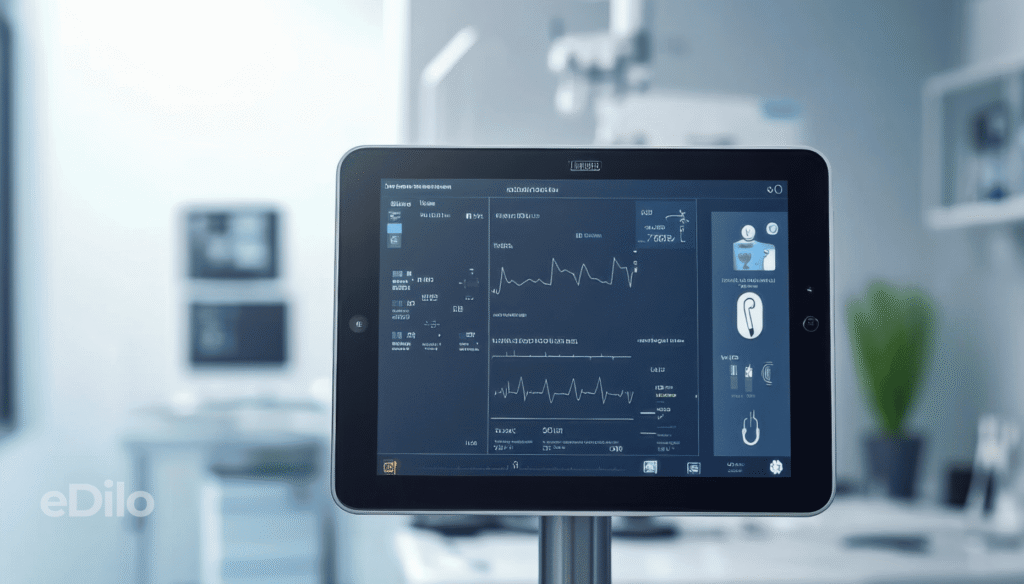
First and foremost, it is important to determine exactly where the equipment will be used. Patient monitors are purchased for intensive care units in hospitals, medical centers, and maternity hospitals. Equipment is also installed next to the bed of a patient in a hospital room. Portable, compact models are essential for use in ambulances and emergency vehicles.
Intensive care units and operating rooms—particularly those for cardiac surgery—are equipped with high-precision monitors. The reliability of the measurements is a key factor.
The equipment should be easy to use. Therefore, models with an intuitive interface are preferred. It is important that all medical staff be able to use the equipment without difficulty. When purchasing, it is worth paying attention to the option of connecting to a data collection system.
Access to technical support is an important factor in making a purchase decision, as it ensures uninterrupted use. You should purchase equipment that comes with an official manufacturer’s warranty.
| Type | Model | List of tracking parameters | Purpose | Display size | Additional Features |
| Basic | Q5 | heart rate; respiratory rate; temperature; blood oxygen saturation; blood pressure; cardiac output; capnography; carbon dioxide concentration | Intensive care units, hospital wards, ambulances, and emergency vehicles | 12.1″ | Built-in battery, connection to the central monitoring system |
| Versatile | Drager Infinity Delta | heart rate; temperature; cardiac output; apnea; heart rhythm; oxygen saturation; anesthetic levels; neuromuscular transmission | Hospitals, ambulances, and emergency medical services | 10.4″ | “Pick and Go” technology for convenient transport, built-in medication dosing calculation program |
| Specialized | BIOMED BM1500 | ECG; oxygen saturation; heart rate; temperature; respiratory rate; blood pressure; cardiac output; capnography | Cardiology departments, including surgical ones | 12.1″ | Built-in thermal printer |
Conclusions
Our wide selection of patient monitors will allow you to choose the best option based on the intended use, list of parameters, and operating conditions. If you’re planning to purchase equipment for a medical facility, be sure to check out eDilo’s online installment payment service. We offer a convenient payment plan with no collateral or guarantor required. Using the eDilo online service will help you avoid cash flow gaps, which is especially important when funding is limited. Submit a request on our website to take the first step toward a mutually beneficial partnership.
Актуальні
запитання
Patient monitor: What is it?
This equipment is designed for the precise, synchronized monitoring of vital signs in real time.
What parameters must a patient monitor track?
These parameters include heart rate, oxygen saturation, blood pressure, and so on.
What is the difference between a portable monitor and a desktop monitor?
The device runs on AC power or a rechargeable battery.
Is a single patient monitor suitable for all departments?
No, because equipment is selected based on its intended use and operating conditions.



More about business
and finance
Read more

Which Chinese Tractor Is the Best to Buy: Top 5 Models

Solar Panel Business: How to Set It Up and Calculate Liquidity

How to Choose a Business Idea in 2026: Top Ideas for Ukraine

Military Tax in Ukraine in 2025

A $5,000 Business in 2026: How to Start a Business with Minimal Risk

How to Prepare Your Business for Black Friday 2026: Purchasing Without Straining Working Capital

How to Prepare Your Business for the Fourth Quarter: A Financial Checklist for Executives

How to Avoid Stalling Business Growth Due to Large Supplier Invoices

How Businesses Can Prepare for the Peak Sales Season in Fall and Winter