Digital Twins in Business: What They Are, Types, and How to Create Them
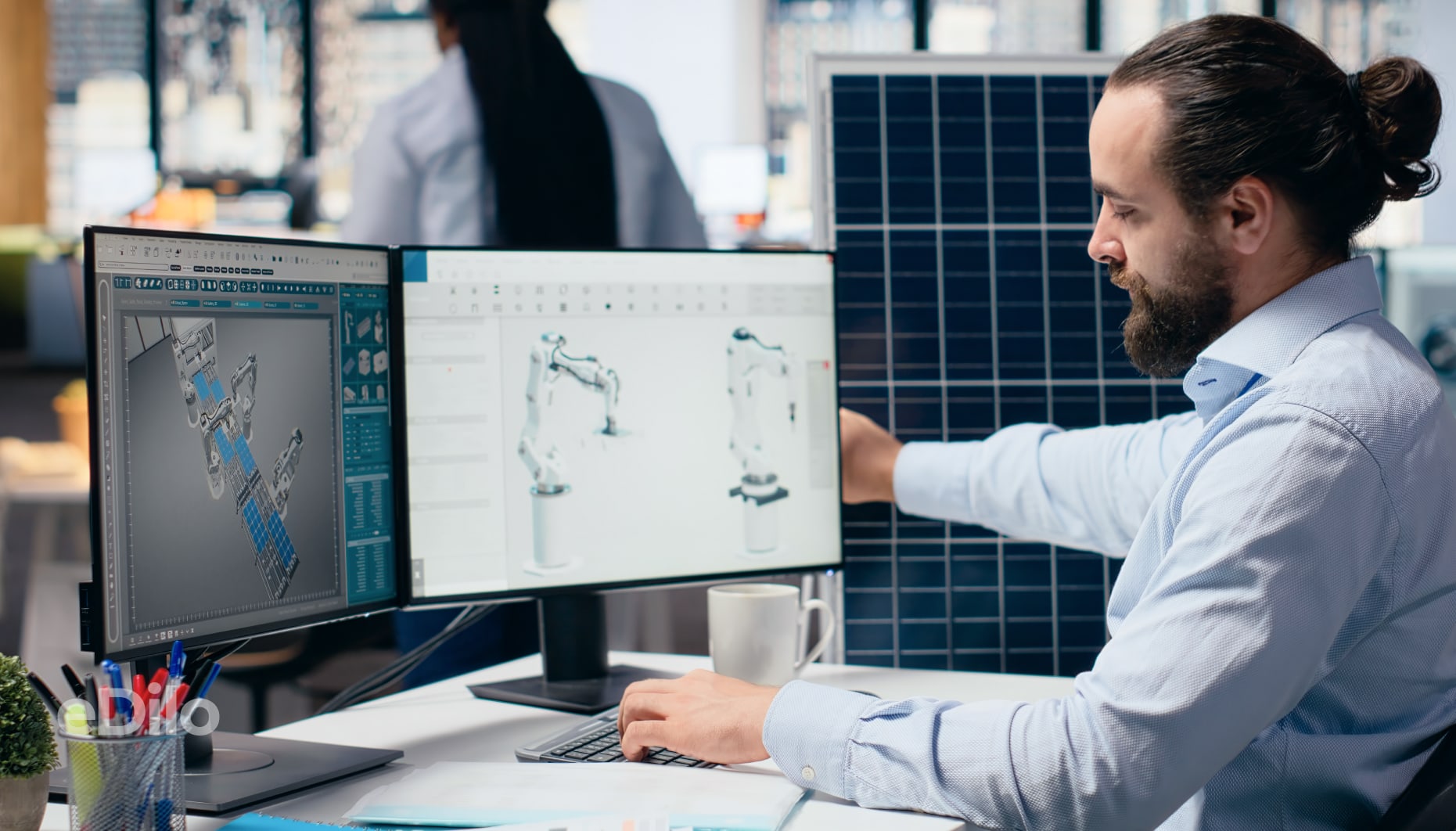
The global digital twin market is estimated at $36.19 billion in 2025, and by 2030 it will exceed $180 billion. Three-quarters of large companies are already using this technology—and not just industrial giants. Cloud solutions and the DTaaS (digital twin as a service) model have made digital twins accessible to medium-sized businesses as well. A virtual replica of a production line, warehouse, or supply chain allows companies to test changes without real-world risks or costs. In this article, we’ll explore how digital twins work, the different types available, and what businesses need to create their first prototype.
What Is a Digital Twin and How Does It Work?
Let’s assume that your warehouse, production line, or delivery network exists simultaneously in two dimensions—the physical and the virtual. The physical dimension operates as usual, while the virtual dimension collects data from dozens of sensors, analyzes it, and shows exactly where the process is slowing down, where equipment is wearing out, and where you’re losing money.
In other words, a digital twin is a virtual copy of a real-world object or process that is synchronized with the original in real time. Unlike a conventional 3D model or computer simulation, a digital twin does more than just replicate the object’s appearance—it reacts to changes. It receives a stream of data from IoT sensors, processes it using machine learning algorithms, detects anomalies, and provides forecasts and recommendations even before a problem becomes noticeable to the business.
The mechanism of this model consists of three levels:
- Physical — a real-world object equipped with sensors (temperature, pressure, vibration, geolocation). The sensors transmit data to the cloud every second or at another specified frequency.
- Analytics — a cloud-based infrastructure where AI and ML algorithms process data streams. The system detects anomalies, generates wear-and-tear forecasts, and models “what-if” scenarios.
- The decision-making layer is the interface through which managers view the status of a facility, receive risk alerts, and test changes before implementing them in practice.
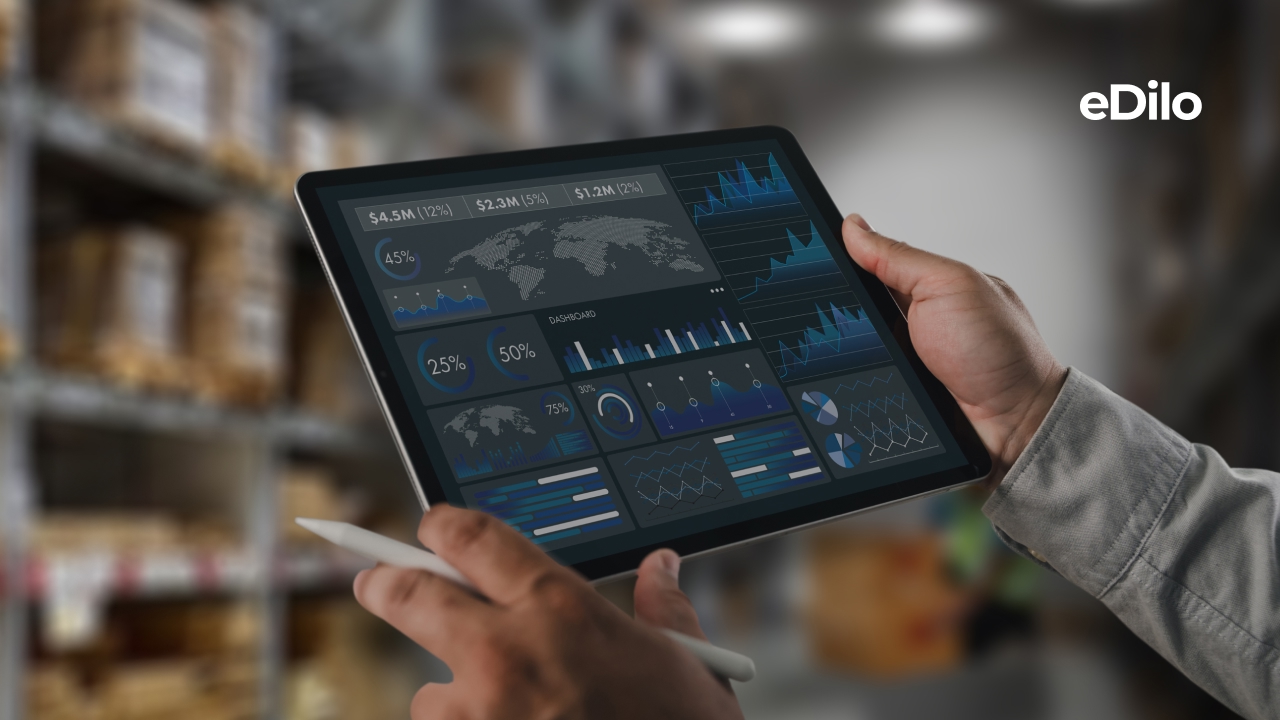
Let’s consider a specific scenario. A manufacturing company produces home appliances and supplies them to retail chains. The main requirement from customers is reliable and prompt delivery without delays. The company creates a digital twin of its supply chain: from the production line to the warehouse and delivery routes. The twin shows in real time where inventory is building up, where delays occur between stages, and predicts shortages a week before they affect customers. Instead of manually monitoring dozens of metrics, managers see a unified overview and make decisions based on data rather than intuition.
Another example is the energy sector. Wind farm operators install hundreds of sensors on each turbine. The digital twin analyzes the load on the blades, predicts bearing wear, and automatically adjusts the pitch angle—even before a component fails. The result: fewer unplanned outages and lower costs for emergency repairs.
To better understand where this technology fits in among related solutions, let’s compare a digital twin to a 3D model and a simulation:
| Specifications | 3D model | Simulation | Digital Twin |
| Data | Static cross-section | Historical or hypothetical | Real-time, two-way |
| Connection to the object | Not available | Unilateral or absent | Continuous exchange |
| Main objective | Show view | To predict in theory | Manage, prevent failures, optimize |
See also: Profit Margin: What It Is and How to Calculate It
Types of Digital Twins: Examples for Business
There is no one-size-fits-all solution. That is why it is important to consider examples of the types of digital twins that businesses choose, depending on the scale of the task—ranging from a copy of a single part to a model of an entire enterprise.
Component duplicates replicate a specific piece of equipment: a pump, a valve, or a bearing. Their main value lies in the continuous monitoring of wear on critical parts. When a sensor detects a deviation from the norm, the system alerts technicians in advance, rather than after a breakdown occurs.
Product twins combine several components into a single, integrated object—a machine tool, a turbine, or a truck. They show how individual parts interact with each other and help identify the weak link before it causes the entire mechanism to fail. One notable example: the consulting firm Challenge Advisory created a digital twin of a Boeing 737-800 and demonstrated that the maximum allowable cargo weight could be safely increased by 23%. For airlines, this means thousands of dollars in additional profit on every flight.
System twins simulate the interaction of multiple assets: an assembly line, a building’s power supply system, or a server cluster in a data center. For example, a factory combines the stages of raw material supply, production, quality control, and packaging into a single system twin. A manager notices that a delay at the quality control stage is causing a 40-minute bottleneck due to manual sorting—and tests the automation of this process in a virtual environment before purchasing the equipment.
Process twins cover the broadest scope—the entire business operations model, from raw material procurement to delivery to the customer. IKEA, for example, created process twins for 37 facilities with a total area of 42 million square feet. Over the course of nine months, the company analyzed 6,000 units of HVAC equipment and reduced the energy consumption of its ventilation system by 30%.
For medium-sized businesses in Ukraine, where operations are smaller than IKEA’s, the most practical way to get started is with component- or product-based digital twins. They require a minimal number of sensors, deliver results quickly, and do not require a complete overhaul of the IT infrastructure. And with the emergence of cloud services such as DTaaS (digital twin as a service), even a small business doesn’t need to maintain its own server infrastructure—all it needs is a subscription and a set of sensors.
How to Create a Digital Twin: A Step-by-Step Guide
How can a company create a digital twin if it has never worked with such technologies before? In an article for the Harvard Business Review, Professors Graham Kenny and Hanna Pohrebna proposed a five-step model, which we have adapted to the realities of Ukrainian business:
- Step 1. Define your business goal. A digital twin is not an end in itself. Identify a specific problem: reduce equipment downtime by 20%, minimize logistics losses, or speed up the launch of a new product. Without a clear goal, the project will turn into an expensive toy.
- Step 2. Visualize the process from start to finish. Draw a process map of the process you plan to digitize. Mark every stage, every handoff between departments, and every point where delays or losses occur. If it’s a supply chain, map the product’s path from production to the customer. If it’s a production line, describe each operation along with its duration. This map will show exactly where sensors are needed and where a digital twin will be most beneficial.
- Step 3. Determine what data you’re already collecting and what’s missing. Internal metrics include production cycle time, inventory levels, and order processing speed. External metrics include regional demand, traffic data for delivery planning, and weather conditions for logistics. Companies often find that they already record 60–70% of the data they need in their CRM or ERP systems but simply aren’t using it for analytics. For the rest, IoT sensors will be needed: temperature, vibration, pressure, or geolocation sensors on equipment and vehicles. The higher the quality of the input data, the more reliable the digital twin will be.
- Step 4. Create a digital model. You don’t have to build it from scratch—there are ready-made tools on the market: Azure Digital Twins from Microsoft, as well as solutions from Siemens, General Electric, and NVIDIA. Start with a basic model and expand it as new data becomes available. The average cost of developing a digital twin platform for manufacturing starts at $60,000, but a pilot project for a single asset will cost significantly less.
- Step 5. Test on a small scale. Launch a pilot for a single machine, a single warehouse section, or a single delivery route. Collect initial results over 2–3 months, adjust the model, and only then scale up. According to McKinsey, companies that start with a pilot project achieve 20–30% higher forecast accuracy and reduce delays and downtime by 50–80% compared to those who try to implement the technology across their entire business at once.
One particular challenge is the initial investment in equipment: IoT sensors, servers, and software licenses. For small and medium-sized businesses, this is a significant amount that is difficult to pay in a single installment. That’s why we at eDilo offer payment in installments: businesses receive the necessary equipment immediately and pay in stages, preserving working capital for operational needs.
Why Digital Twins Are a Strategic Move for Businesses
The main question for any business owner is whether the investment will pay off. Data for 2025–2026 provides a clear answer: 92% of companies that have implemented digital twins achieve a return on investment of over 10%, and half achieve a return of over 20%. The payback period is 12–36 months; in manufacturing, it’s sometimes as short as 3–6 months.
The figures are backed up by various industries. Here’s what companies with real-world implementation experience are reporting:
- Manufacturing — a 50% reduction in the product development cycle — engineers test hundreds of configurations virtually, without the cost of physical prototypes;
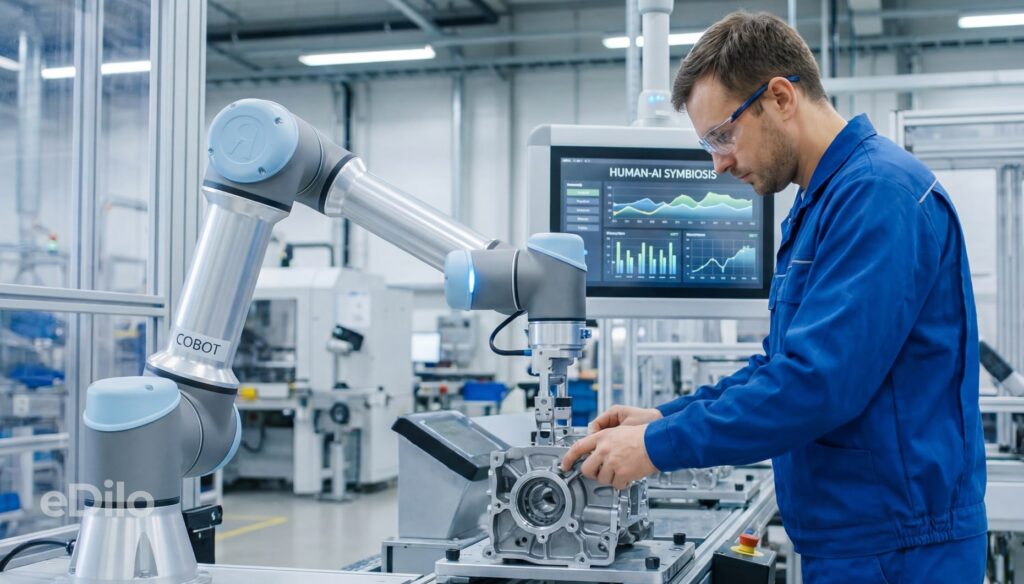
- Maintenance — a 20% reduction in unplanned equipment downtime thanks to predictive diagnostics — the system detects signs of wear long before a breakdown occurs;
- Logistics — improving the accuracy of demand forecasts by 20–30%, reducing excess inventory, and lowering transportation costs by up to 10%;
- Construction — reducing energy consumption in buildings by up to 50% and cutting operating costs by 35%.
One particular benefit is sustainable development. 92% of manufacturers using digital twins report improvements in the environmental performance of their products and processes.
In Ukraine, digital transformation is gaining momentum even amid the war. Interpipe, in partnership with IT-Enterprise, is implementing digital solutions for managing production, logistics, and repairs using digital twins. The European Union has unveiled a digital twin for Ukraine’s reconstruction —a system that will help authorities plan infrastructure restoration. And the network of European Digital Innovation Hubs, which began operating in Ukraine in 2025, is helping companies integrate new technologies—including digital twins—into their business processes.
Technological modernization is not a one-time purchase, but an ongoing process. Companies regularly invest in new sensors, server infrastructure, and analytics solutions. To ensure these expenses do not hinder other areas of development, businesses need a predictable financial tool. eDilo’s installment payment model allows companies to plan for modernization without sudden budgetary strains and avoids postponing investments “until better times.”
Актуальні
запитання
How long does it take to implement a digital twin?
A pilot project for a single asset or process takes 2–4 months—enough time to install sensors, configure the model, and collect the initial data. Full-scale deployment at the enterprise level takes anywhere from 6 months to a year, depending on the complexity of the infrastructure and the quality of the available data. We recommend starting with a limited pilot: this allows you to quickly see results, adjust the model, and justify further investments to your team or partners.
What is the return on investment for digital twins?
According to surveys, 92% of companies report a return on investment of over 10%, and half achieve 20% or more. In manufacturing, the first results appear within 3–6 months thanks to reduced downtime and fewer defects. In logistics, this is due to route optimization and a reduction in excess inventory. The average payback period is 12–36 months, after which the technology continues to generate savings on an ongoing basis.
Is it possible to create a digital twin on your own?
Yes, cloud-based tools such as Azure Digital Twins or solutions from Siemens and GE are a good place to start. A business can launch a basic model for a single asset on its own if the team includes IoT and data analytics specialists. A pilot project for a single machine or warehouse section will cost significantly less than a full-scale implementation and will allow you to assess the results within 2–3 months. For more complex system or process twins, a system integrator is typically brought in to assist with the solution architecture and the configuration of analytical models.



More about business
and finance
Read more

Which Chinese Tractor Is the Best to Buy: Top 5 Models

Solar Panel Business: How to Set It Up and Calculate Liquidity

How to Choose a Business Idea in 2026: Top Ideas for Ukraine

Military Tax in Ukraine in 2025

A $5,000 Business in 2026: How to Start a Business with Minimal Risk

How to Prepare Your Business for Black Friday 2026: Purchasing Without Straining Working Capital

How to Prepare Your Business for the Fourth Quarter: A Financial Checklist for Executives

How to Avoid Stalling Business Growth Due to Large Supplier Invoices

How Businesses Can Prepare for the Peak Sales Season in Fall and Winter