Rules for Transporting Grain by Road: Specifics and Costs in Ukraine
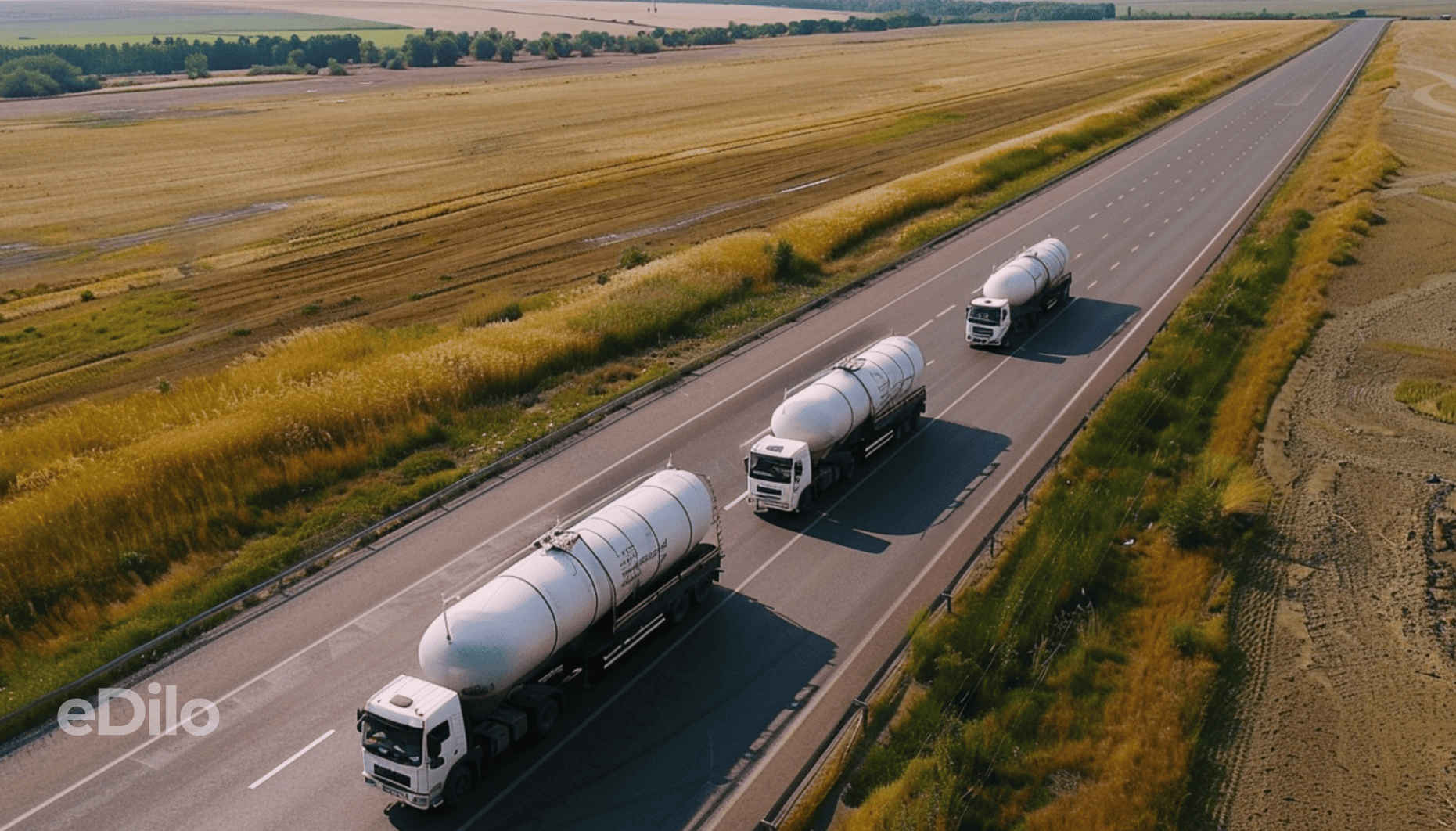
The rules for transporting grain by road consist of a set of specific requirements and standards. In general, they regulate the supply chain for agricultural products within the country. They define restrictions and the optimal mode of transport, as well as the documents required of the carrier and the cargo owner. This topic is relevant to farmers, agricultural companies, logistics operators, and all participants in the grain market.
Legal Aspects: Rules and Documents for Grain Transportation
Anyone planning to organize grain transportation within Ukraine needs to be aware of all the details, as incorrect documentation or failure to comply with technical requirements can result in fines and additional costs.
The transportation of grain crops is governed by Ukrainian law, specifically the Law “On Motor Transport.” There are also a number of other regulations. The main rules for transporting grain by motor vehicle are as follows:
- Weighing control. Each shipment is accompanied by a corresponding inspection. Overloading is subject to fines, so carriers are required to comply with the regulations.
- Vehicle Requirements. Specialized grain trucks or covered trailers that protect the cargo from loss and external factors must be used for transportation. The vehicles must be clean and suitable for food products.
- Labeling. The cargo must be identified, and the accompanying documents must contain complete information about the shipper, the consignee, and the type of grain crop.
The main document without which transportation cannot take place is the consignment note (CN). It confirms ownership of the cargo and contains information about the shipper, carrier, consignee, route, and weight of the grain.
In 2023, Ukraine introduced a new specialized form of the waybill (TTN) for grain transportation, which takes into account the specific characteristics of this type of cargo. The document allows for more precise tracking of the movement of goods, minimizes the risk of fraud, and simplifies inspections.
To officially provide delivery services, a company or entrepreneur must select the NACE code or KVED code for grain transportation. The correct code is 49.41, “Freight transportation by road.” It covers activities related to the transport of agricultural products.
A separate license is not required to transport grain; a permit for freight transportation is sufficient. However, it is important to note that additional requirements apply to the transport of heavy loads and to operations on international routes.
The legal aspects of grain transportation require compliance with regulations, the availability of properly prepared documents, and the use of appropriate transportation.
See also: Innovations in Logistics: 7 Current Trends
The Cost of Grain Transportation: What Determines the Price
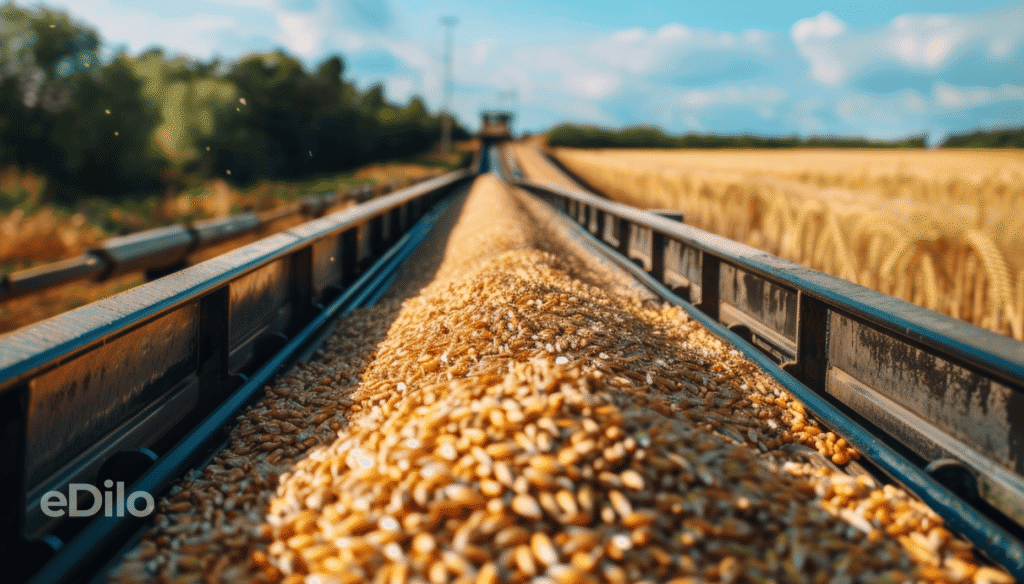
The cost of transporting grain by truck is determined based on several factors. The main components of the price are:
- Distance. The longer the route, the higher the shipping cost.
- Fuel type—diesel or gasoline, depending on the type of vehicle. The cost of each option directly affects expenses.
- Vehicle Depreciation. A portion of the depreciation cost of the truck’s body, engine, and other equipment is allocated to each metric ton of grain transported.
- Driver’s salary. A separate expense item that includes not only wages but also taxes and social security contributions.
In addition, the cost of transporting grain is affected by seasonality, as the peak harvest season increases demand for transportation, which can drive up rates. The type of grain truck is also important. Specialized dump trucks and flatbed trucks provide different levels of protection and care for the cargo.
Large orders are often cheaper per metric ton due to savings on transportation costs. And high-quality infrastructure (road conditions) reduces repair costs and cuts down on time spent on the road.
Example of an approximate calculation of the cost of transporting 20 metric tons of wheat over a distance of 100 km:
- fuel — 30 L × 50 UAH/L = 1,500 UAH;
- depreciation and maintenance — approximately 5,000 UAH per trip;
- a driver’s salary—for example, 1,500 UAH per trip;
- The total cost of transporting grain by grain trucks will be approximately 8,000 UAH, or 400 UAH per metric ton.
This calculation is for illustrative purposes only and may not reflect actual figures. Determining the cost of transporting wheat depends on logistical, technical, and seasonal factors. To plan your budget accurately, it is important to take all these factors into account.
See also: Market Capacity: How to Calculate and Use It
The Grain-Hauling Business: How to Calculate Profitability.
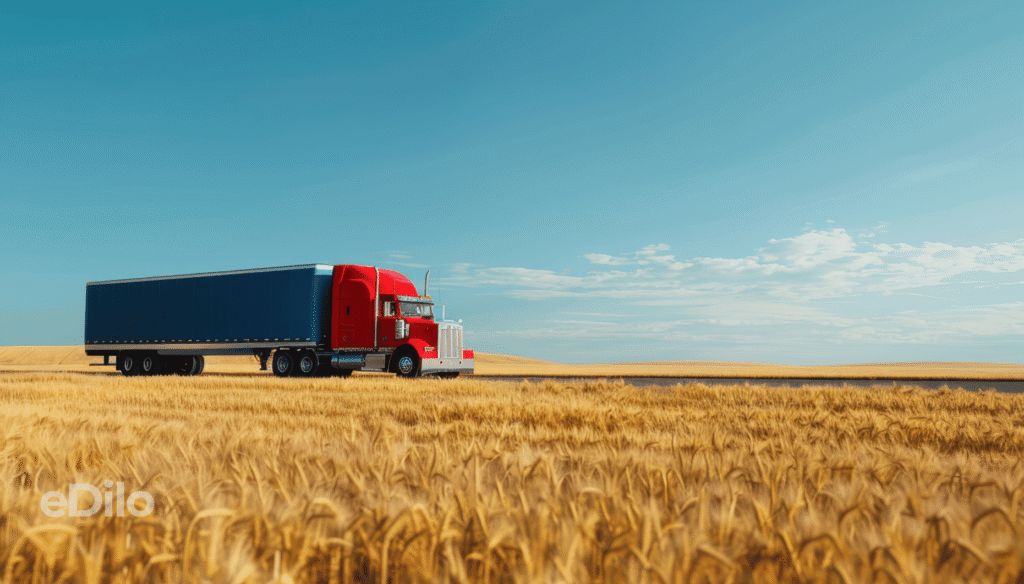
When planning a grain transportation business, you need to factor in the costs of transportation, fuel, salaries, and depreciation. Profit is defined as the difference between the rate you charge your customers and the cost of transportation.
Practical Tips:
- Keep track of all expenses for each flight. This will allow you to accurately calculate your profitability.
- Use route optimization to select the best routes for saving fuel and time. Grain transportation technologies can help with this.
- Plan your work with seasonal trends and market demand in mind.
- Use modern grain trucks with high load capacities to increase your transport volumes.
A company that operates regular routes can generate moderate but stable profits. To determine how much can be earned from transporting grain, you need to consider the number of trips, the volume of cargo, and the rates.
Conclusion
The cost of transporting grain by truck is determined based on distance, fuel, equipment depreciation, the driver’s salary, seasonality, and the volume of cargo. The transportation process itself requires compliance with legal regulations and precise cost planning.
The grain transport business can be profitable provided that expenses are properly tracked and routes are optimized. It’s also important to know which documents are required for transporting grain both abroad and within Ukraine.In today’s economic climate, when working capital is limited, entrepreneurs can take advantage of the eDilo online service. This involves paying in installments, which allows you to spread out the costs of purchasing vehicles or logistics services without a significant financial burden. The advantages of this approach include quick online approval, transparent terms, and the ability to repay the loan in equal installments over up to 12 months. This helps businesses plan their budgets effectively and grow their operations without taking on unnecessary risks.
Актуальні
запитання
What is the average cost of transporting grain by truck in Ukraine?
The average cost of transporting 1 metric ton of grain over a distance of 100 km is approximately 400+ UAH, depending on the type of grain truck, the distance, and road conditions.
Is it possible to transport grain without your own vehicles?
Yes, it is possible. To do this, companies either rent the vehicles or partner with transportation companies that provide grain trucks at a negotiated rate.
How profitable is the grain transportation business?
Profitability depends on the number of flights, cargo volumes, and rates. With optimal planning and stable demand, the business will be profitable and generate a steady cash flow.
What documents are required to export grain?
To transport grain from the field, the correct KVED code must be selected. You will also need a waybill (TTN), a quality certificate, customs declarations, an export license, and documents confirming the origin of the cargo.



More about business
and finance
Read more

Which Chinese Tractor Is the Best to Buy: Top 5 Models

Solar Panel Business: How to Set It Up and Calculate Liquidity

How to Choose a Business Idea in 2026: Top Ideas for Ukraine

Military Tax in Ukraine in 2025

A $5,000 Business in 2026: How to Start a Business with Minimal Risk

How to Prepare Your Business for Black Friday 2026: Purchasing Without Straining Working Capital

How to Prepare Your Business for the Fourth Quarter: A Financial Checklist for Executives

How to Avoid Stalling Business Growth Due to Large Supplier Invoices

How Businesses Can Prepare for the Peak Sales Season in Fall and Winter