What Is a PPO for Sole Proprietors and Who Needs It
In 2026, a cash register is the only reliable safeguard protecting your business from fines amounting to 150% of the value of each item sold. The days of moratoriums and “grace periods” are finally over—now, full fiscal compliance for sole proprietors has become as fundamental to doing business as paying taxes or opening a bank account. But for a forward-thinking business owner, a cash register is the foundation for true scaling: transparent sales open the door to loans, grants, and services that help you earn more.
In this article, the eDilo team will explain what a cash register is for sole proprietors, how to turn this inevitable requirement into a competitive advantage, and why a “legitimate” cash register is more profitable today than any shadow schemes.
What Are RROs and PRROs?
An RRO is a payment transaction recorder, that is, a physical device such as a traditional cash register or a fiscal printer. It operates autonomously, prints paper receipts, and requires maintenance and sealing.
What is a PRRO? A PRRO is a software-based payment transaction recorder—software for a smartphone, tablet, or computer. Fiscalization takes place on the State Tax Service (STS) server. This allows businesses to avoid the cost of expensive equipment by using a regular device as a cash register.
How It Works: From Sale to the State Tax Service
The fiscalization process in 2026 takes just a few seconds:
- Generating a receipt. The cashier selects a product or service in the app interface.
- Data Transmission. The software generates a receipt and sends it to the State Tax Service server via the Internet.
- Assigning a number. The server records the transaction and assigns a unique fiscal number to the receipt.
- Response received. The program receives a confirmation with a reference number from the tax authority.
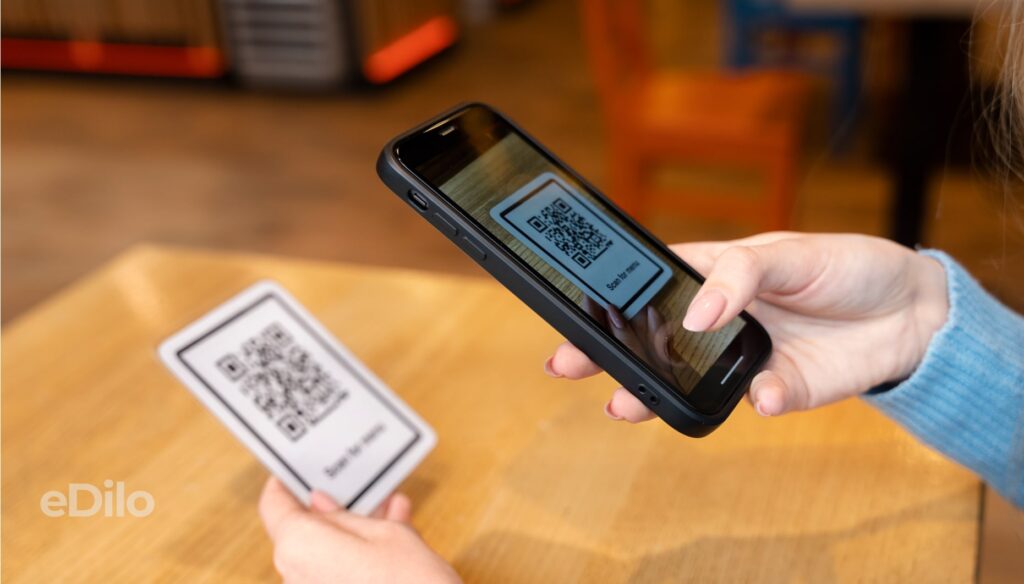
- Issuing a receipt. The customer receives the receipt in paper or electronic form (QR code, SMS, or email).
See also: What Is ESG: How to Implement Sustainability Principles in Business
Why PRRO Is Beating the Classics
What is the PRRO in terms of cost savings and efficiency:
- Low cost. Instead of buying a device for 6,000–20,000 UAH, you either pay a monthly subscription fee for the software (150–300 UAH/month) or use a free solution from the State Tax Service.
- Mobility. The cash register is always at your fingertips on your smartphone, which is ideal for couriers and field service teams.
- Automation. The PRRO generates Z-reports on its own, minimizing human error and the risk of fines.
- Offline mode. If there are connection issues, the PRRO can operate for up to 36 hours straight, saving receipts locally and synchronizing them later.
Who is Required to Have a Cash Register or Software Cash Register as a Sole Proprietor
The 2026 legislative framework leaves no room for interpretation: fiscalization covers the vast majority of small and medium-sized businesses. A cash register has become a mandatory requirement for sole proprietors, regardless of where the sales take place.
The main criterion for mandatory registration is the conduct of a payment transaction. This involves accepting cash, payment cards, payment checks, or tokens from a customer at the point of sale.
The requirement to use a cash register for sole proprietors applies to the following categories:
- Individual entrepreneurs in Groups 2, 3, and 4, regardless of the type of business or annual income. This applies to retail trade, food service establishments (cafes, restaurants, coffee shops), the service sector (beauty salons, auto repair shops, medical offices), travel agencies, and hotels.
- Online stores. If payment for goods is made by card on the website (via LiqPay, WayForPay, Portmone) or to a card linked to the sole proprietor’s account.
- Sellers of excise goods. The sale of alcohol, tobacco products, and fuel requires the use of a cash register, even for entrepreneurs who might otherwise be eligible for exemptions.
- Pharmacies and Medical Services. The sale of medicines and medical devices, as well as the provision of fee-based medical services, is subject to mandatory fiscal registration.
- Sale of technically complex household goods. This includes goods eligible for warranty repairs (boilers, home appliances, electronics, watches), regardless of the sole proprietor’s tax group.
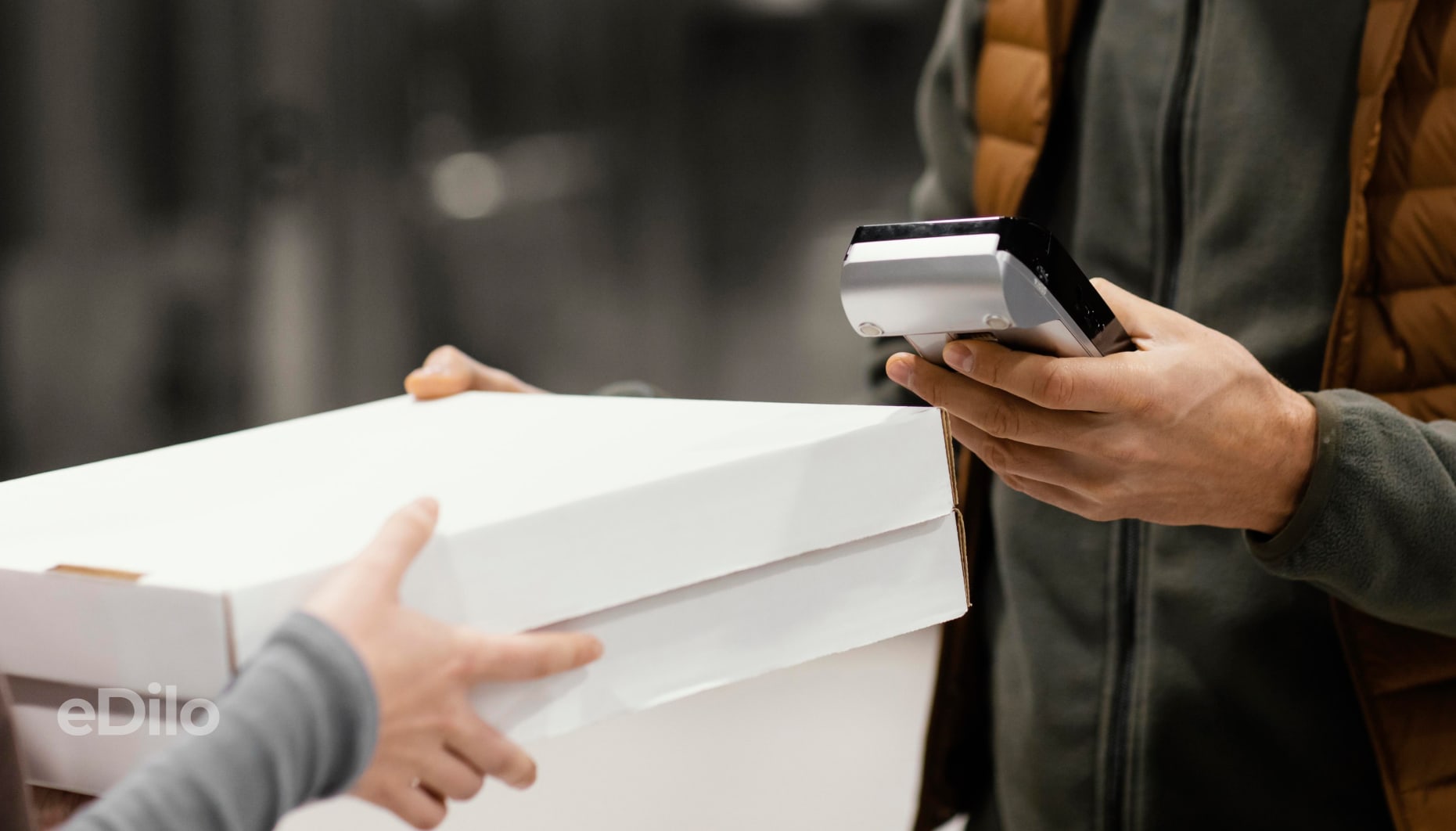
- Courier Services and Delivery. If a courier accepts cash or payment via a payment terminal at the time of delivery, they are required to issue a fiscal receipt on the spot.
The law on cash registers for small businesses clearly states that even if an entrepreneur sells goods through social media (Instagram, Facebook, TikTok) and receives payment via a card linked to a business bank account, such a transaction must be recorded for tax purposes.
Who Can Operate Without a Cash Register or Point-of-Sale System
Despite widespread fiscal regulation, the question of who is required to use a cash register has another side to it—the list of those who are officially exempt from this requirement.
Individual Entrepreneur in Group 1 of the Simplified Tax System
This category of entrepreneurs is completely exempt from the requirement to use cash registers. The first group includes sole proprietors who meet both of the following criteria:
- They do not use hired labor.
- They engage exclusively in the retail sale of goods from market stalls or provide personal services to the public (shoe and clothing repairs, key cutting, etc.).
The income limit for this group must not exceed 167 times the minimum wage.
Payments are made exclusively via IBAN
This is the most popular way for IT specialists, freelancers, consultants, and businesses in the B2B sector to operate legally without a cash register. An individual entrepreneur does not need a cash register if payments are received exclusively into a current account in IBAN (UA) format in the following scenarios:
- The customer transfers funds from their checking account to yours;
- The customer goes to the bank teller and deposits cash into your account using the account details;
- The customer makes a transfer through the bank’s self-service terminal (PTKS) by selecting the “Payment by Account Details” menu option.
It is important to distinguish between “card-to-card transfers” (P2P) and online acquiring—these are payment transactions that require a cash register. Payments made using IBAN details, on the other hand, are banking transactions that do not require a cash register.
Rural areas
Business owners in villages and small towns may use cash ledgers (RK) instead of cash registers (RRO), provided they comply with a number of requirements:
- the annual volume of transactions per point of sale does not exceed 167 minimum wages;
- The trade does not involve excise goods;
- The village council did not adopt a resolution requiring the use of cash registers within the community;
- This is not an online store (the product is not shipped by mail).
Sale of water, newspapers, and food services in educational institutions
Sales of water, milk, and kvass from tanker trucks, as well as newspapers and magazines (if they account for more than 50% of turnover), and meals served to students in school cafeterias are exempt from the cash register requirement.
See also: Modeling and Optimizing Business Processes at a Company
Fines for Failure to Have a Cash Register
As of August 1, 2025, liability for violations related to fiscalization has returned to pre-war standards. Compliance with cash register requirements is monitored through on-site inspections and database analysis. The main risk is a fine for failing to issue a receipt or for conducting a transaction without a cash register for the full purchase amount.
Penalty amounts in 2026:
| Type of violation | Amount of the fine |
| First violation detected (failure to process a transaction through a cash register or point-of-sale terminal, failure to issue a receipt) | 100% of the cost of goods (work, services) sold |
| Each subsequent violation (within a year) | 150% of the value of goods (work, services) sold |
| Failure to Use the Programming Mode for Designating Excise Goods | 300 non-taxable minimums (5,100 UAH) |
| Violations of Inventory Accounting Procedures | 100% of the value of unaccounted-for goods |
| Failure to Submit Reports from the Cash Register to the State Tax Service | 30 non-taxable minimums (510 UAH) |
Recurrence is determined by the number of documented incidents. If three off-the-books sales are discovered during a single inspection, the first will be fined at 100%, and the subsequent ones at 150%.
How to Choose and Connect: Practical Steps
The process of registering a cash register in 2026 is as digital as possible. You no longer need to bring stacks of paperwork to the tax office and wait for weeks. Everything is done online in four steps:
- Obtaining a QES (Qualified Electronic Signature). A digital key is required to sign applications and conduct transactions with the cash register. Sole proprietors can obtain it free of charge from the tax office, through the “Privat24” and “Diya” services, or from qualified trust service providers.
- Submitting Form 20-OPP. Before registering a cash register, the tax authority must know exactly where you plan to conduct business. Form 20-OPP provides information about taxable entities (store, café, office, warehouse). It is submitted through the taxpayer’s Electronic Account. Registration of the cash register software is not possible without an accepted form.
- Choosing software. The free version from the State Tax Service (DPS) offers basic functionality: starting a shift, creating a receipt, and ending a shift. It’s suitable for microbusinesses. Commercial POS systems (Checkbox, Vchasno.Kasa, Poster, etc.) offer advanced features: integration with CRM systems, inventory management, sales analytics, and a user-friendly interface.
- Registration of the PRRO and the cashier. You must submit Form 1-PRRO to obtain a fiscal number for your virtual cash register. You must also submit Form 5-PRRO, which you use to “train” the cash register to recognize the cashier’s electronic signature or your own.
See also: Electronic Document Management: How to Make the Switch and What Businesses Need to Know
The Benefits of Software-Based Cash Registers for Modern Sole Proprietors
Fiscalization isn’t just about obligations to the state—it’s also a growth opportunity for entrepreneurs. Moving into the “white” economy opens up access to tools that are unavailable to businesses operating in the shadow economy. Modern software solutions transform routine tasks into automated processes, allowing you to focus on growth rather than paperwork.
Key benefits of using the PRRO:
- Full integration with accounting. The POS system automatically writes off goods from inventory at the time of sale. This eliminates mis-sortering, helps control inventory levels, and prevents theft by staff.
- Electronic receipts and the customer experience. You save on paper and printers. The receipt is sent to the customer via SMS, Viber, or email. This isn’t just modern—it also allows you to build a contact database for future marketing and loyalty programs.
- Detailed sales analytics. Business owners can see the full picture on their smartphones in real time: peak hours, top-selling products by popularity, and each salesperson’s performance.
- Access to financial instruments. Official revenue, verified through a cash register, makes your business more attractive to banks when applying for loans or overdrafts, and also allows you to offer BNPL (Buy Now, Pay Later) services to your customers.
The eDilo Case Study: How Transparency Boosts Sales
Operating “above board” allows you to integrate services that directly impact average check size and conversion rates. A prime example is our partner, Insortex, a company that manufactures industrial equipment.
The situation was as follows: a client (Vasyl Viktorovych Chamor, a sole proprietor) needed a raspberry shredder costing over 360,000 UAH for his berry farm. Withdrawing such a large sum from working capital all at once is a major blow to a small agribusiness.
Because the seller operates legally, uses a cash register, and maintains transparent financial records, he was able to use eDilo —an online installment payment service for businesses.
Result of the collaboration:
- The seller received the full amount for the goods immediately after shipment;
- The buyer received the equipment and the option to pay in installments over a reasonable period of time;
- The transaction was conducted legally, with tax registration and all the necessary documentation.
Our partner Veliki.ua implemented a similar scenario by selling a batch of 8 electric bikes for rental, totaling 360,000 UAH. Without the option of B2B installment plans and official processing through the cash register, such deals often fall through or get “stuck” for months. eDilo acts as a catalyst: transparent businesses gain a tool that turns “too expensive” into “I’ll take it.” For more examples of how installment payments help scale sales across various niches, see the eDilo Business Solutions section.
Актуальні
запитання
Which categories of sole proprietors are required to use cash registers or software cash registers?
This requirement applies to all sole proprietors in Groups 2, 3, and 4 of the simplified tax system, as well as entrepreneurs under the general tax system who accept payments in cash or by bank card. The only exceptions are sole proprietors in Group 1 and specific cases of trade in rural areas.
What are the fines for operating without a cash register in 2026?
For the first violation (failure to issue a receipt), the fine is 100% of the cost of the goods. For each subsequent violation within the year, the fine is 150%.
Can I use only the PRRO?
Yes. Ukrainian law has fully equated the legal status of traditional cash registers and software-based cash registers. An entrepreneur has the right to use only a software-based cash register on a smartphone or laptop, without purchasing a physical device.



More about business
and finance
Read more
Which Chinese Tractor Is the Best to Buy: Top 5 Models
Solar Panel Business: How to Set It Up and Calculate Liquidity

How to Choose a Business Idea in 2026: Top Ideas for Ukraine
Military Tax in Ukraine in 2025

A $5,000 Business in 2026: How to Start a Business with Minimal Risk
How to Prepare Your Business for Black Friday 2026: Purchasing Without Straining Working Capital

How to Prepare Your Business for the Fourth Quarter: A Financial Checklist for Executives

How to Avoid Stalling Business Growth Due to Large Supplier Invoices

How Businesses Can Prepare for the Peak Sales Season in Fall and Winter