How to Create a Brand Book the Right Way: A Guide and Example
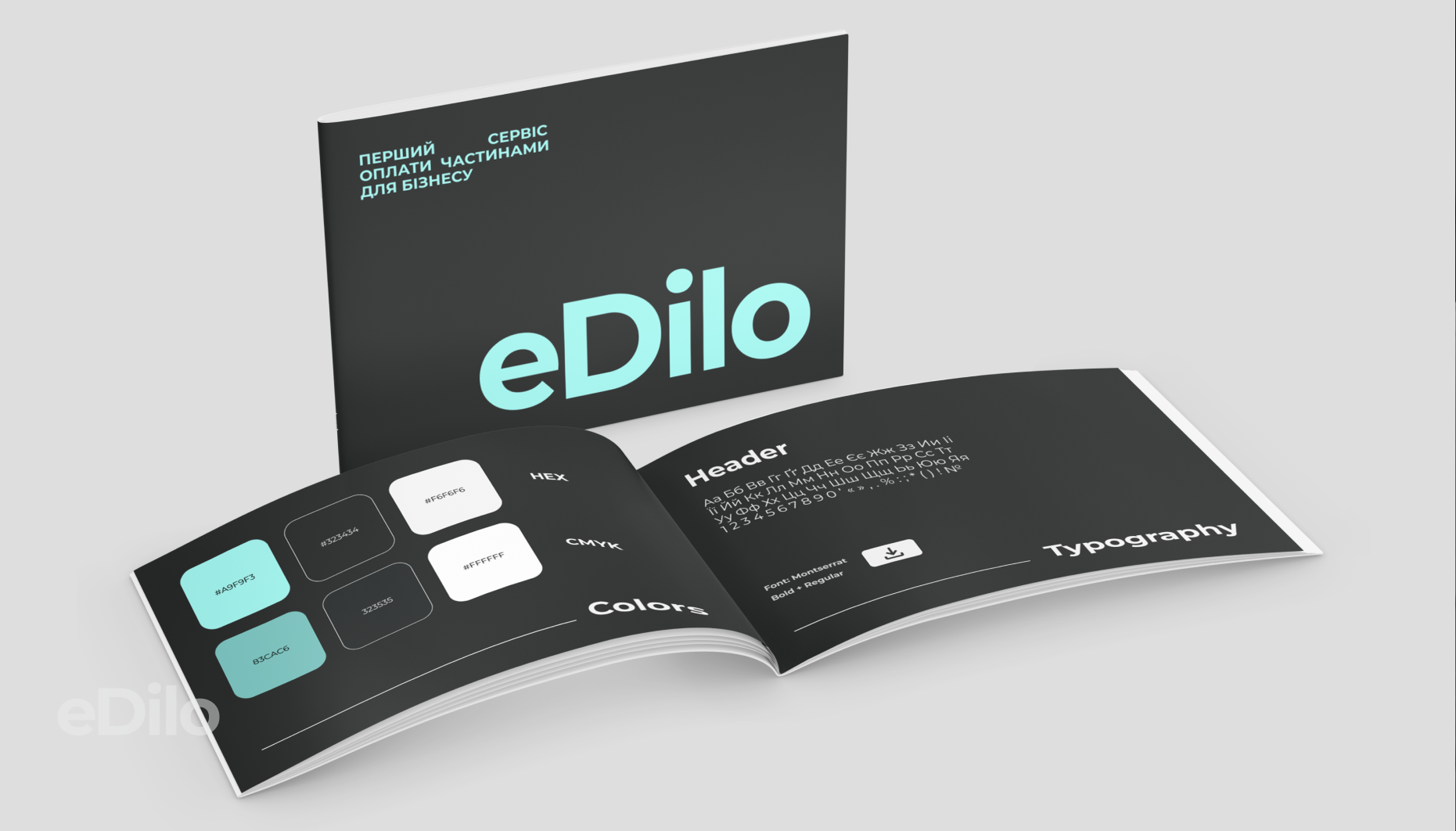
A brand book is a fundamental tool for any company, reflecting its mission, positioning, and values. It can take physical form, such as a document. It is the company’s internal “passport,” containing a detailed description of all aspects that influence how the company is perceived. Let’s explore what a brand book is, whether a business needs one, and what its essential components are. This article will be useful for business owners and will help them create their organization’s brand book.
What Is a Brand Book?
A brand book is an official company document that contains a comprehensive description of the company and may include visual materials. In essence, it is a “user guide” that ensures a consistent and cohesive perception of the company across all communication channels.
A brand book is an essential element of any company, regardless of its size, as it helps maintain consistency in the brand’s presentation—both internally for employees and externally for partners and customers.
This document has the following features:
- ensuring consistency;
- building trust and loyalty;
- reducing errors;
- education.
A company’s brand identity ensures that it maintains a consistent look across all platforms: websites, social media, advertising, and business documentation. As a result, it inspires greater trust among consumers.
A brand book helps minimize the risk of improper use of brand elements, such as stretching the logo or using incorrect shades from the color palette. And new employees or partners will be able to quickly familiarize themselves with the brand’s philosophy and distinctive features.
Why Create a Brand Book?

Now that we’ve figured out what a brand book is, let’s look at the reasons for and purpose of creating one:
- brand recognition;
- increasing customer trust;
- simplifying interactions with contractors.
A consistent style makes a company stand out among hundreds of others, which is very important in a competitive market. When a brand has a consistent, cohesive look, it inspires greater trust among consumers. They recognize that the company takes its image seriously—and, by extension, its products as well.
A brand book is a guide for contractors when you work with printing companies and advertising agencies. It serves as a set of guidelines, ensuring that tasks are carried out correctly without unnecessary questions or clarifications.
Developing an internal style guide simplifies the work of designers: no matter how many specialists are on the team, they know how to handle visual content when creating advertisements or packaging. And marketing department staff immediately understand which presentation style is appropriate for each specific situation.
The document is considered internal and is primarily intended for partners, colleagues, and contractors. However, it is sometimes made public, particularly in the entertainment and gaming industries. This allows customers to be involved in the character design process.
What Does a Brand Book Consist Of?
A brand book is a comprehensive document that often consists of several sections. These sections describe the company’s philosophy, as well as its visual and communication aspects. The specific structure may vary depending on the company and its needs. Let’s take a look at what a brand book includes:
- ideological section;
- visual component;
- Communications section;
- additional elements.
The ideological section lays the foundation for the company, defines its essence and its place in the market. It consists of the brand’s mission and purpose, its values, positioning, unique selling proposition, and archetype. This section also includes a detailed description of the target audience and, sometimes, the company’s history.
The visual section provides guidelines for using the logo, colors, fonts, and graphic elements of the brand. In addition, it includes templates for corporate identity materials: business cards, presentations, promotional materials, label and packaging designs, and examples of how the style is applied to promotional merchandise.
The communication section defines how a company “speaks” to its audience. It includes the tone of communication (expert, humorous, etc.), writing style, examples of messages and slogans, and the company’s vocabulary.
In addition, the internal passport may include legal information—such as details about trademarks and copyrights. It also provides contact information for inquiries regarding the use of the document.
Examples of Brand Books
Let’s look at some examples of brand books from the most well-known companies.
The Coca-Cola brand is one of the most popular in the world. It is characterized by the use of the legendary Spencerian script and the Dynamic Ribbon wave. The company is known for its strict rules regarding their placement and color scheme.
The brand’s signature colors are red and white. Classic fonts are used to complement the logo.
The Nike brand is associated with sports and achievement. Its brand identity emphasizes dynamism, movement, and ambition. The company’s logo is recognizable and minimalist; it is often used alongside the slogan “Just Do It,” and its colors are contrasting. The brand’s communication tone is inspiring, motivating, and focused on action and victory.
Netflix is a streaming giant that has transformed the entertainment industry. Its brand identity is based on simplicity and recognizability. The company’s logo is a stylized red letter “N” on a black background; this high-contrast combination creates a cinematic feel. The brand uses modern, stylish fonts that ensure easy readability.
Audi is a German manufacturer of premium-class automobiles. The company’s logo consists of four interlocking rings. The brand book features a confident, expert, innovative, yet understated tone of voice. The brand is distinguished by the following primary colors: silver, black, white, and gray. It uses the proprietary Audi Type font, which is characterized by clean lines and high precision.
Adidas is a company defined by the following values: innovation, authenticity, boldness, and performance. Its audience is quite broad, ranging from professional athletes to everyday consumers. The brand has several logos: the trefoil, the three stripes, and the wordmark. It uses primary colors that emphasize strength and versatility. The company’s communication style is characterized by the following tone: dynamic, energetic, confident, and authoritative.
A brand distinguished by its constant evolution, hierarchy, and scale—Microsoft. The company’s primary mission is to empower every person and every organization on the planet to achieve more. It strives to make technology beneficial for everyone. The brand’s logo consists of multicolored squares that symbolize its wide range of products.
How to Create a Brand Book for Your Business
A brand book is a document that should contain both textual and visual information. If you want to create an internal brand book on your own, keep the main requirement in mind: at every stage, focus on the needs, interests, and challenges of your target audience. Let’s look at the main steps for creating a brand book:
- Write a history of the company;
- Define the tone of voice;
- Determine the color palette;
- Create a logo;
- Select a font;
- Generate visual elements.
The foundation of branding is a brand’s legend or story. Briefly describe the main idea, emphasizing the most emotional details.
See also: Modeling and Optimizing Business Processes at a Company
The document reflects the company’s mission and its approaches to implementing its strategies. The tone of voice should align with the client’s values and needs. To achieve this, describe the overall tone—for example: ironic, authoritative, or friendly.
Identify the main communication channels and provide advice on how to use each one. Give examples of customer support dialogs.
The brand book design is based on the color palette. To create a successful palette, select base, neutral, and accent shades. Once the palette is ready, record the color codes in popular formats in the internal style guide.
The purpose of a company logo is to make the company recognizable. A modern logo is considered to be a simple, understated emblem without any unnecessary or complex elements. It should be legible on any surface and reflect the company’s values and distinctive features.
The font emphasizes the uniqueness of the brand. You’ll need at least two versions: a main one for body text and an additional one for headings.
When selecting visual elements, give preference to images that are relevant to the company’s style. At this stage, provide recommendations on how to combine them with the logo, the optimal size, and the preferred colors.
Business owners create brand books to expand their pool of potential customers, increase brand recognition, and enhance their company’s image. If you run a firm that specializes in developing brand books, use eDilo online service — a tool that allows you to set up installment payments.
Conclusion
A brand book is a set of guidelines for using a company’s products. It reflects the brand’s mission, values, and history, and influences how the target audience perceives it. To create a brand identity guide, you need to bring together a team of designers, copywriters, and lawyers.
It’s now even easier to grow your business with eDilo. This is an installment payment service that allows you to grow your business without any financial barriers.
FAQ
Who is the primary target audience for the brand book, both within and outside the organization?
Within the organization, the primary target audience consists of designers, copywriters, and employees in the marketing, human resources, and sales departments. Outside the company, the brand book is of interest to partners, advertising agencies, the media, investors, and shareholders.
What teams or specialists should be involved in its development?
The primary participant in the process should be the business leadership or owner. The marketing team is also involved to ensure alignment between the strategy and its implementation. Designers and copywriters translate the strategy into an appealing style, while lawyers protect the company from unauthorized use.
How can you ensure that the brand book is actively used after it is created?
Make the internal style guide accessible and easy to find, and organize training sessions and presentations on the brand book. Integrate the document into your workflows—create ready-made templates based on it to ensure consistency with the brand guidelines.
How do you update a brand book when the brand’s strategy or visual style changes?
Determine the scope of the changes: a complete rebranding, partial updates, or minor adjustments. Then involve the key teams, carefully plan the update process, implement the changes, and familiarize the team with the new document. Afterward, gather feedback from employees who have used it.



More about business
and finance
Read more

Which Chinese Tractor Is the Best to Buy: Top 5 Models

Solar Panel Business: How to Set It Up and Calculate Liquidity

How to Choose a Business Idea in 2026: Top Ideas for Ukraine

Military Tax in Ukraine in 2025

A $5,000 Business in 2026: How to Start a Business with Minimal Risk

How to Prepare Your Business for Black Friday 2026: Purchasing Without Straining Working Capital

How to Prepare Your Business for the Fourth Quarter: A Financial Checklist for Executives

How to Avoid Stalling Business Growth Due to Large Supplier Invoices

How Businesses Can Prepare for the Peak Sales Season in Fall and Winter